

















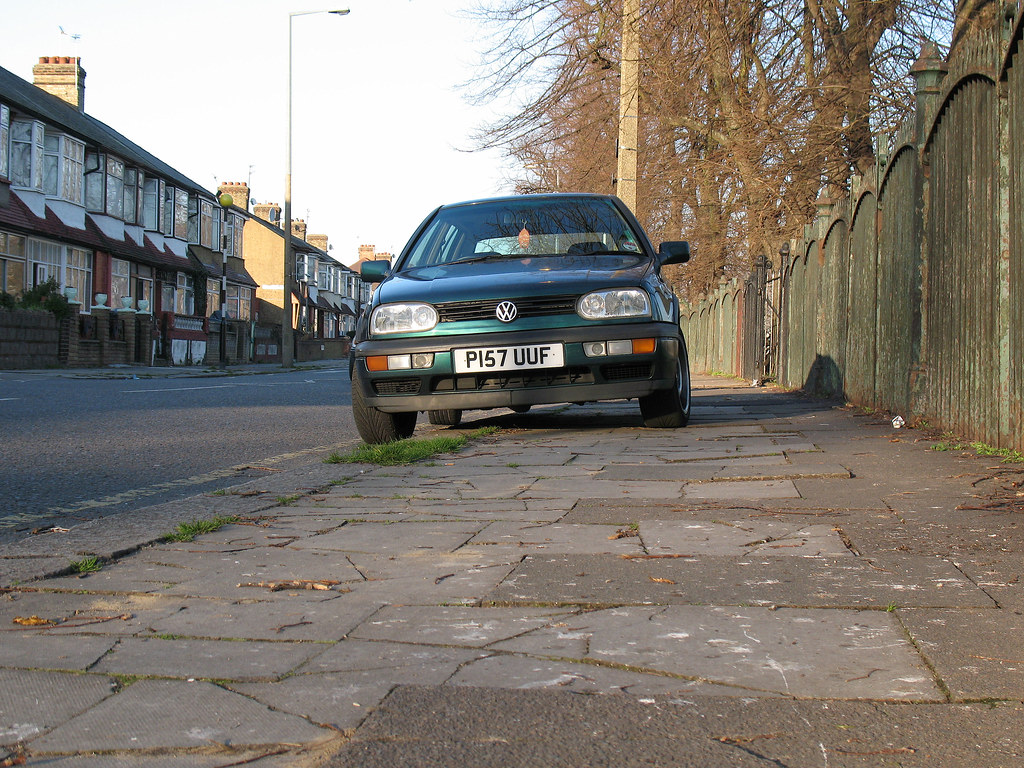
Local authorities across England are to be given new powers to tackle the issue of pavement parking, the government has announced.
In a written statement to Parliament, Transport Minister Lilian Greenwood unveiled the government’s response to its 2020 consultation, opting against a nationwide ban. Instead, a devolved approach will be taken, enabling local transport authorities to prohibit pavement parking in their areas when a legislative opportunity arises.
The announcement follows years of campaigning by disability groups, parents with pushchairs, and pedestrians who argue that vehicles parked on pavements force vulnerable people into the road.
“Our overarching objective to make pavements accessible and safe remains unchanged,” Greenwood stated. “Rather than introducing a ‘one size fits all’ national prohibition… we will instead enable local transport authorities to prohibit pavement parking across their areas.”
The powers will be vested in strategic transport authorities or, in non-strategic areas, in unitary or county councils. As an interim measure, secondary legislation will be introduced in 2026 to allow councils to enforce against ‘unnecessary obstruction of the pavement’ when observed by civil enforcement officers. This will sit alongside existing Traffic Regulation Order powers.
The Department for Transport will issue statutory guidance to support councils in using the new enforcement power, which aims to provide a ‘practical and proportionate interim solution.’
The move was welcomed as a significant step towards giving local leaders the tools they need. ‘Local leaders know their communities best, so they are in the strongest position to meet local needs effectively,’ the Minister said.
The government’s response concludes that this two-step approach – immediate enforcement powers followed by future devolved prohibition powers – will give local authorities the ability to address pavement parking effectively and fairly in their areas.
Leave a Reply