















A 17-year-old boy has won a High Court battle against Hounslow Council, which a judge ruled unlawfully failed to treat him as a ‘looked after’ child following the deaths of his parents.
The claimant, identified only as CLT, argued the London Borough of Hounslow shirked its legal duties to provide him with adequate accommodation and support under the Children Act 1989.
In a judgment handed down on January 30th 2026, Deputy High Court Judge Benjamin Douglas-Jones KC found the council owed CLT a duty to provide accommodation from November 2020, after his father died from Covid-19.
The court heard CLT and his older sister were left with no adult holding parental responsibility. The council arranged for them to live with a distant cousin, IF, in the family’s former council home, claiming this was a ‘private fostering arrangement’.
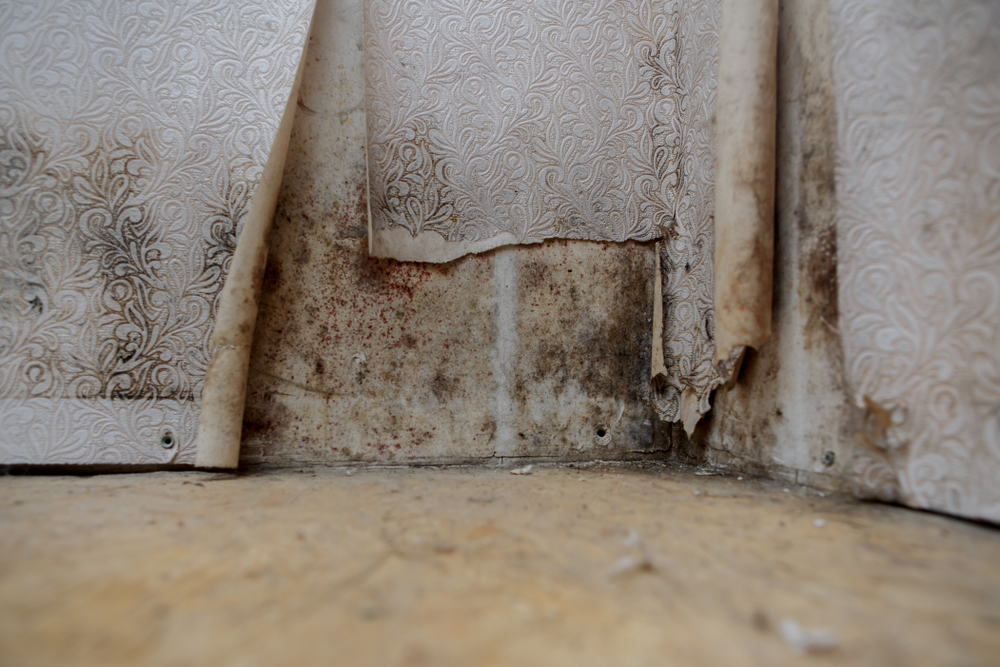
However, the judge ruled the council played a ‘major role’ in creating and sustaining this arrangement, providing the housing by not evicting the children from a property to which they had no legal right. Records showed IF was frequently absent, leaving the children to live alone in squalid conditions, with reports of mould, no hot water and food shortages.
The judge stated the council’s argument was ‘circular logic’: CLT only had secure accommodation because the council chose not to evict him, meaning it was effectively providing it. The arrangement was not a genuine private fostering agreement, he found.
The ruling means CLT is officially recognised as having been a ‘looked after’ child since 2020 and is now an ‘eligible’ child, entitling him to specific support as he transitions to adulthood.
Hounslow Council must now reassess its duties towards CLT. The judge declined to award damages or order where he should live, stating this could unduly restrict the council’s statutory powers.
Kelly Everett, Senior Solicitor at Coram Children’s Legal Centre, who initiated the case, said: ‘For too long, children who have nobody to care for them have been let down by systems that are meant to protect them. This ruling makes clear that local authorities must meet their legal duties to vulnerable children, including recognising when a child needs to be treated as ‘looked after’ and ensuring they receive proper care, accommodation and support.
‘The judgment reinforces that informal arrangements and partial support cannot be used to avoid statutory responsibilities, and that children should not be left in legal limbo without the protections the law provides. Crucially, it recognises that a child’s legal status has profound consequences for their safety, stability and future, including access to the statutory support that flows from being a looked-after child as they approach adulthood.
‘This decision sends a strong and important message that children’s rights matter, that the law must be applied properly, and that families and carers are entitled to expect accountability, clarity and fairness from public bodies when caring for children in need.’
Leave a Reply