
















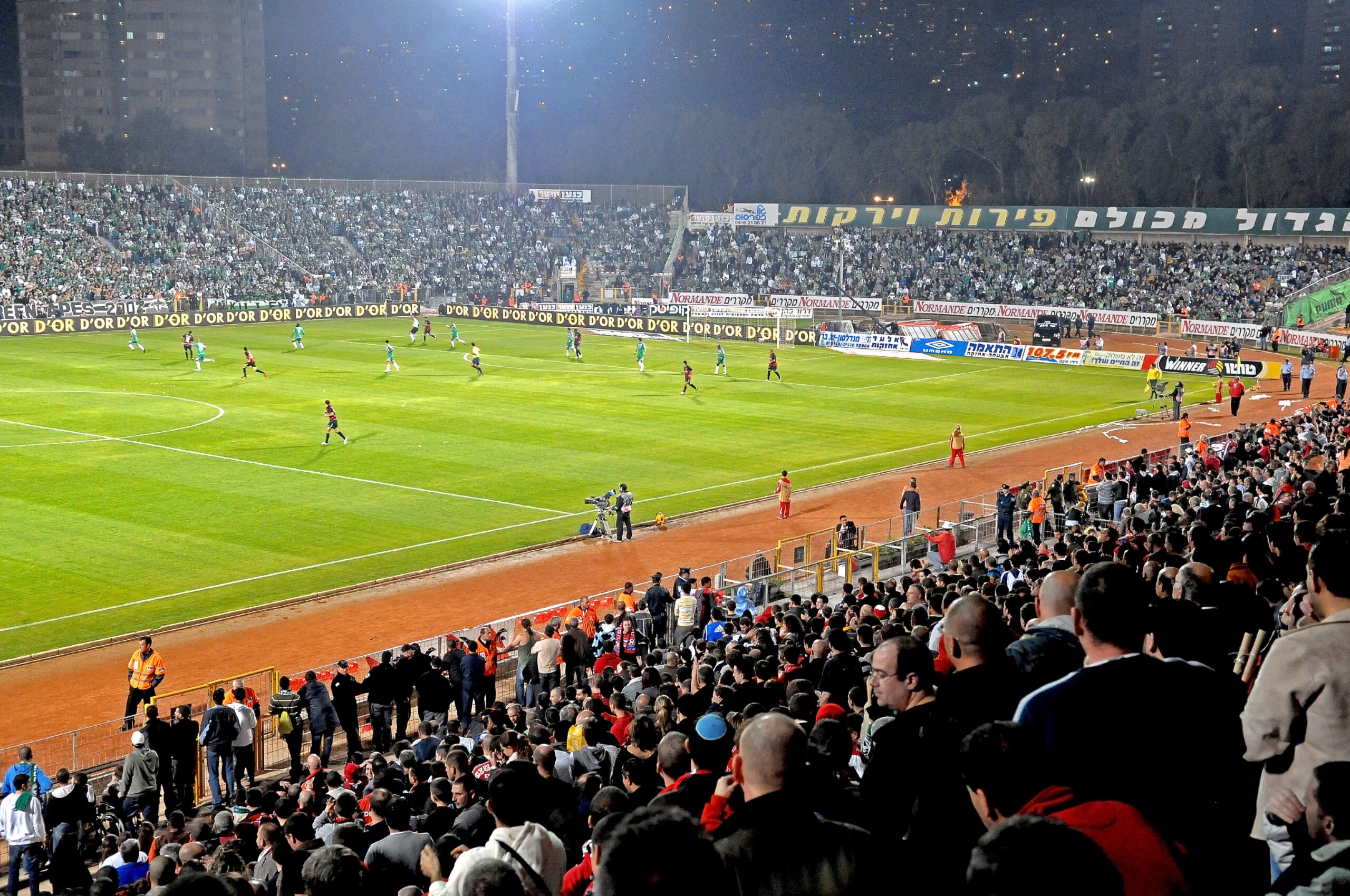
West Midlands Police relied on false, AI-generated information to justify banning Maccabi Tel Aviv fans from a Europa League match, leading to a failure in decision-making that damaged community trust, a damning parliamentary report has concluded.
The Home Affairs Committee investigation into the November 2025 fixture against Aston Villa found that evidence used to assess the threat level posed by visiting supporters was ‘partly based on false information generated by AI’ following violence at an earlier match in Amsterdam. This created a ‘misleading picture’ that was readily accepted by officers while contradictory evidence from authoritative sources was ignored.
‘The evidence used to assess the threat level posed by Maccabi fans was partly based on false information generated by AI that gave a misleading picture of the violence around their fixture with Ajax in Amsterdam,’ the report states.
A lack of due diligence meant these failures went unnoticed, even under parliamentary scrutiny. The force’s evidence-gathering process is now subject to an investigation by the Independent Office for Police Conduct.
The committee found no evidence that the response was motivated by antisemitism, but concluded the force ‘failed to take appropriate steps to engage with Jewish communities’ while actively consulting others – a failure it said had eroded trust and confidence.
Concerns were also raised about political interference. The report found that councillors on the Safety Advisory Group had a ‘disproportionate opportunity to exert influence,’ undermining confidence that decisions were based on safety rather than political considerations. It recommended ending the practice of local councillors sitting on such groups.
The Home Office was criticised for failing to recognise the significance of the decision and coordinate effectively across government. Officials were aware of the likely ban but failed to intervene until after it was imposed, by which point any intervention only “served to increase tensions.”
The report concludes that West Midlands Police must now rebuild trust after failures in both decision-making and community outreach, and recommends a review of guidance to Safety Advisory Groups to prevent similar failures in future.
Chair of the Home Affairs Committee, Dame Karen Bradley said: ‘It is an extraordinary measure to decide to ban fans from attending a fixture, particularly in the cultural and political climate that this occurred in. It is therefore crucial that the decision making process, and the information underpinning it, is beyond reproach.
‘Instead, there appears to have been a ‘that’ll do’ attitude. Banning Maccabi Tel Aviv fans would make policing the match much easier. To justify this step information that showed the Maccabi fans to be a high risk was trusted without proper scrutiny. Shockingly, this included unverified information generated by AI. While Maccabi Tel Aviv fans were falsely characterised as unusually violent, the threat posed by local communities was downplayed and too little care was given to the impact on the Jewish community in Birmingham.
‘Government intervention was clumsy and came too late, and we reject the Government’s argument that it could only intervene once the decision was taken. The profile of this fixture should have been obvious, and it seems that No.10, the Home Office and DCMS were indeed aware. But their intervention when it came did little more than inflame tensions.
‘It is vital that trust is rebuilt. Firstly, West Midlands Police must repair the damage that has been done by working hard to reach out to local communities, particularly Jewish communities. They must also ensure that there is a cultural shift around decision making where assumptions are tested and evidence fully checked. We also want to see the Government develop a more effective mechanism to support decision making around football safety. It should also reflect carefully on its own role and how it can best reduce tensions, rather than exacerbate them, in future.’
Leave a Reply