














LGA notes serious mismatch between what councils pay out in housing benefit and what they get back from government.
Since 2017-18, councils across England have paid out £1.5bn more on temporary accommodation than they’ve received back in government subsidies to cover those costs. This is the finding of the Local Government Association (LGA), which projects that by 2029-39 that gap will be £3.9bn.
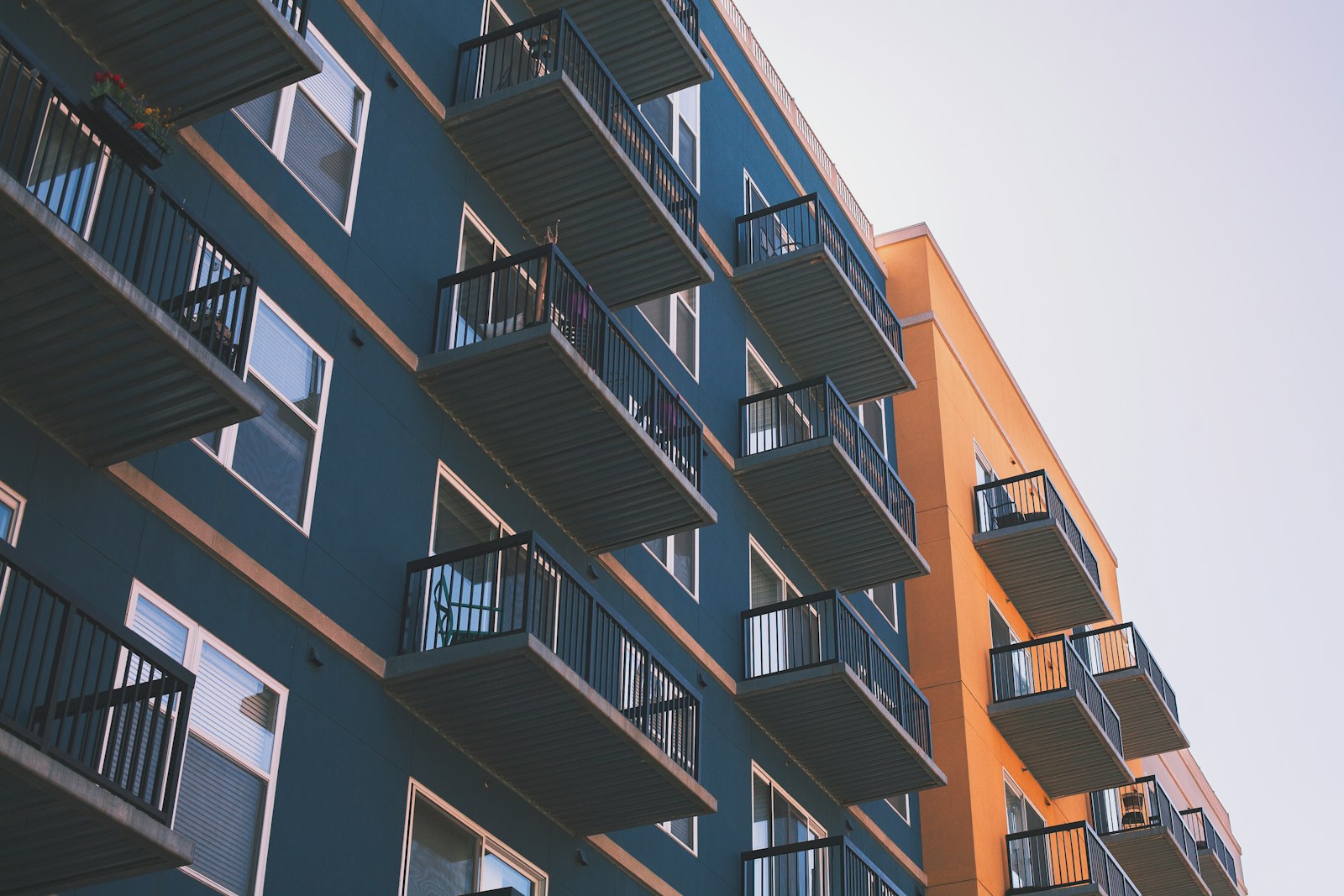
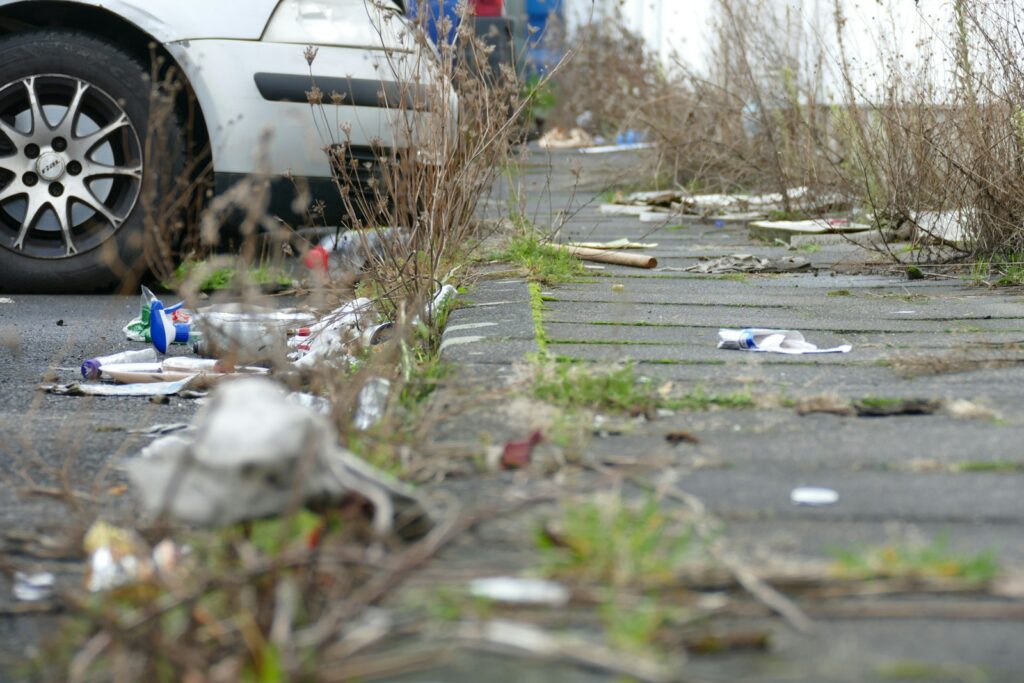
Photo by Brandon Griggs / Unsplash
Councils are legally required to assess the needs of residents who inform them of an immediate need for temporary housing and, if they are find eligible, to provide them with somewhere to live. There is a further duty on councils to provide ongoing support, helping these residents to find permanent housing and providing resources with which to help resolve the root causes of homelessness.
The temporary accommodation provided by councils can include flats owned by the council, housing associations or private landlords, but can also include B&Bs, hostels and hotels. According to the LGA, some 132,000 households are currently in temporary accommodation, including 172,000 children.
In most cases, the council pays for this accommodation upfront and is then reimbursed, in a process overseen by the Department for Work and Pensions (DWP). This can include direct payments from the individual’s benefits (if they received them), discretionary housing payments (DHPs) and homeless prevention grants from central government
However, reimbursement is based on local housing allowance (LHA) rates agreed in January 2011, subsidies can be no more than 90% of this rate, and further caps and conditions can apply. As a result, in 2024-25 (the most recent year for which there is data), councils in England spent a total of £1.27m on temporary accommodation, and DWP reimbursed then £911m – leaving a gap of £360m in that year alone.
The LGA projects that this gap will grow by 65% in the next five years, to £595m per year.
Cllr Tom Hunt, Chair of the Inclusive Growth Committee at the LGA, says: ‘The temporary accommodation subsidy gap is a problem that is getting worse each year but is fixable. This would have a huge boost to council finances, money which could go towards preventing homelessness and building the homes that our communities desperately need.
‘Yet because of this ever-widening issue councils are caught in a vicious cycle of ever-increasing temporary accommodation costs versus static rates they receive back to cover their costs. We urge the Government to uprate housing benefits to 90% of the current LHA rate – this outlay could yield significant results for the economy and national well-being.’
Leave a Reply