














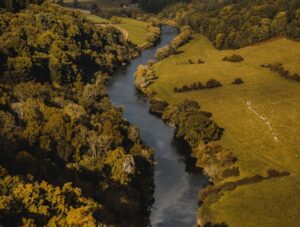
Leominster Town Council says 2,000 new homes delayed or scrapped, leaving residents trapped in unsuitable housing
A six-year moratorium on housebuilding in a Herefordshire market town has caused ‘significant’ economic and social damage, according to the local council, as a major legal claim over river pollution moves forward.
The so-called Lugg Moratorium was imposed by Herefordshire Council in October 2019 due to concerns over high nutrient levels in the River Lugg catchment area. But critics argue the ban is disproportionate, with new housing contributing less than one per cent of pollution while industrial poultry farming and sewage discharges are the primary causes.
Leominster Town Council estimates that around 2,000 new homes have been delayed or scrapped as a result. In a statement shared with Leigh Day, the law firm bringing a legal claim on behalf of more than 4,000 local people, the council said the town had been ‘significantly damaged’ and that lost revenues could have been used to support residents.
‘The economic damage to our town by the moratorium has been huge,’ the council said, citing lost opportunities for businesses and the inability of some firms to expand due to a lack of local workers. ‘Some will talk of family members having to move away rather than stay to work in the family business.’
The council added that the most distressing effect had been on individuals unable to find housing, forcing them to live in unsuitable accommodation or remain with family long after needing independence.
One resident, Jane Coyle, told how she and her husband Anthony had been stuck living in a converted shed – intended only as temporary accommodation – for seven years while waiting for planning permission to self-build their home. Costs have soared due to inflation, legal fees and mandatory payments into a phosphates credit scheme.
In 2021, Herefordshire Council itself wrote to DEFRA stating that 66% of nutrient pollution in the area came from agriculture, and described the moratorium as ‘disproportionate and demonstrably unfair’ on developers.
The legal claim alleges that Avara Foods is responsible for pollution from chicken manure runoff from its poultry operations, and that Welsh Water’s sewage discharges have also materially contributed.
Leigh Day partner Oliver Holland, who leads the claim, said: ‘One of the results of pollution in the Wye and Lugg catchment areas has been the Lugg Moratorium, which has had a severe impact on the local area. The block on house building, stemming from the pollution, appears to have resulted in a tangible financial loss for both the local authority and residents, as well as inconvenience and sometimes severe distress for some who have been left in difficult financial situations or unable to develop their homes. Communities of Leominster and other towns in catchment are bearing really significant costs as a result of this pollution.
‘The concerns of people impacted by the Lugg Moratorium are something we echo, and with the legal claim we will look to hold those allegedly responsible to account.’
Photo: Rob Wicks
Leave a Reply