


















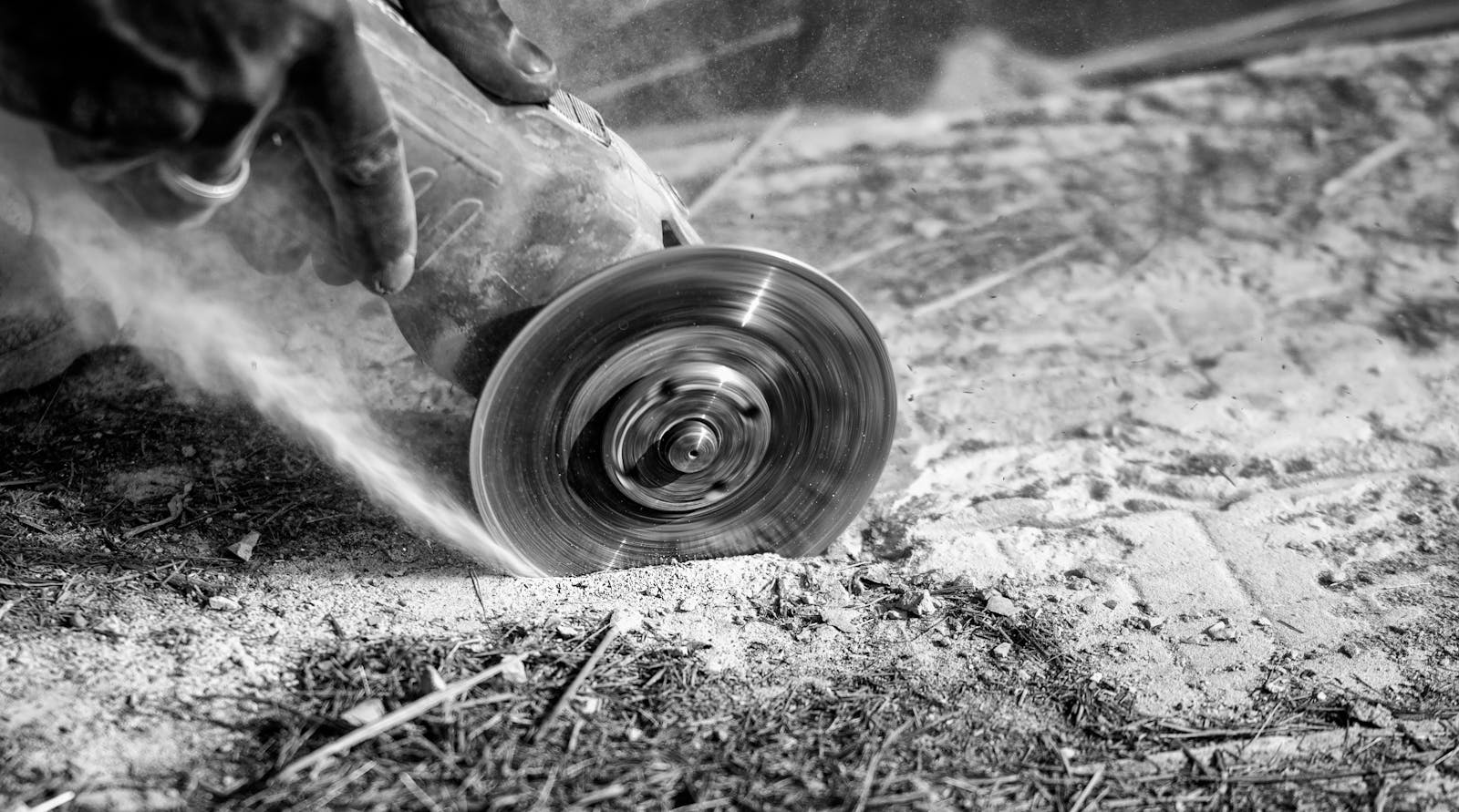
The Health and Safety Executive has announced a crackdown on unsafe engineered stone cutting practices, unveiling new guidance and a nationwide inspection campaign aimed at tackling the growing threat of silicosis among workers.
The regulator confirmed yesterday (11th May) that dry cutting of engineered stone is now considered unacceptable, warning that the process exposes workers to dangerously high levels of respirable crystalline silica (RCS), a hazardous dust linked to fatal lung disease. Instead, businesses are being told they must use water suppression systems during cutting to comply with legal safety requirements.
The measures follow the deaths of two young workers from silicosis in recent years, cases that intensified pressure from MPs, trade unions and medical experts for tougher action across the stone fabrication industry.
Engineered stone, commonly used for kitchen and bathroom worktops, can contain up to 95% crystalline silica. When cut or polished, the material releases fine dust particles that can lodge deep in the lungs. Unlike traditional silica-related illnesses, which often take decades to emerge, experts say exposure to engineered stone dust can trigger severe and irreversible lung damage within just months or years.
Under the new programme, HSE inspectors will carry out more than 1,000 inspections at fabrication businesses across Great Britain over the next year, with enforcement action promised for companies failing to meet safety standards. The first inspections are already underway.
The regulator’s new guidance, published ahead of this week’s Stone & Surfaces Show, is the first dedicated COSHH (Control of Substances Hazardous to Health) guidance sheet for engineered stone. It sets out a series of measures employers are legally required to follow, including switching to lower-silica engineered stone products, using on-tool water suppression systems, controlling airborne mist, providing appropriate respiratory protective equipment and carrying out regular health surveillance for workers.
HSE said a two-year programme of research and industry consultation found that dry fabrication methods can expose workers to silica dust levels five to ten times higher than wet cutting techniques using the same tools. Researchers also concluded that lower-silica alternatives are already available without compromising product quality, undermining arguments against adopting safer materials.
Health experts have repeatedly warned that silicosis is incurable but preventable if proper controls are in place. Symptoms often do not appear until significant and permanent lung damage has already occurred.
Kevin Bampton, Chief Executive Officer of the British Occupational Hygiene Society, said: ‘While the cause of headline-grabbing acute silicosis lies with businesses which blatantly flout the law and exploit workers, HSE’s revised guidance provides much-needed clarity for the mainstream industry and for the professionals supporting it.
‘As the UK’s leading scientific organisation on health protection in the workplace, we are grateful to HSE’s science team for addressing previously unanswered questions about the effectiveness of controls. The guidance reflects this evidence base and brings clarity to what is needed to help protect workers.’
The new guidance can be read here.
Photo: Frans van Heerden
Leave a Reply