

















The Isle of Wight Council has recovered hundreds of thousands of pounds spent on emergency repairs to Cowes’ historic Hammerhead Crane following the conclusion of a lengthy legal dispute.
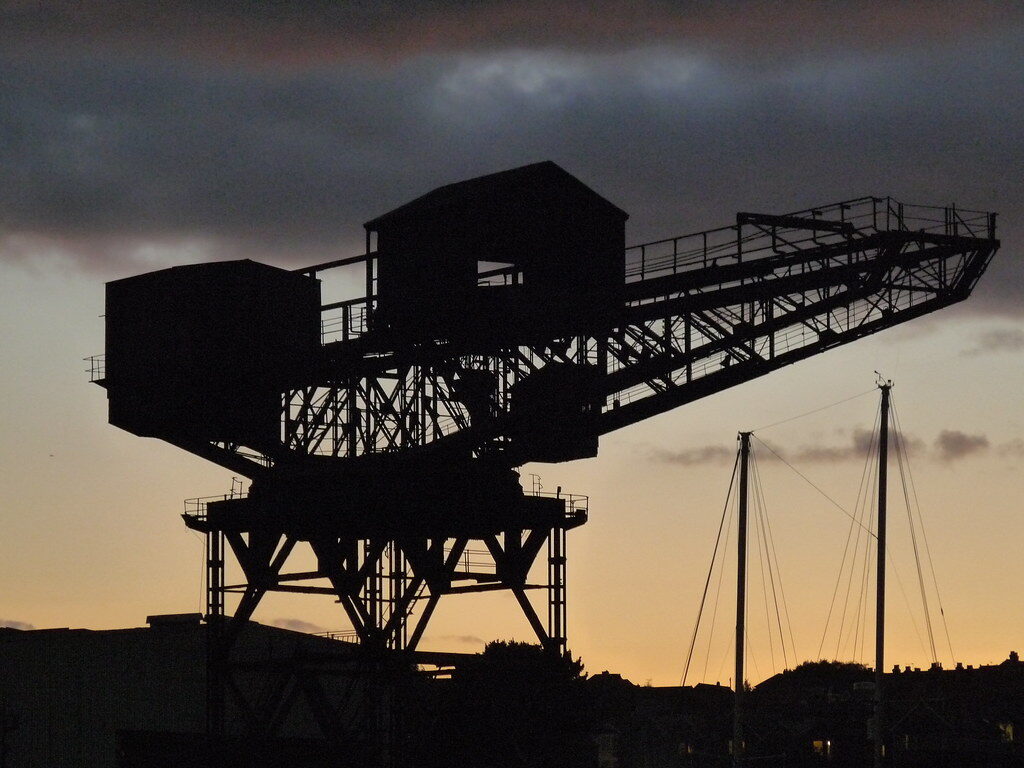
The Grade II*-listed structure, which stands around 150ft tall and is a prominent feature of the town’s waterfront, had fallen into a dangerous state due to extensive corrosion. Concerns were raised that parts of the crane could become unstable without urgent intervention.
After issuing Urgent Works Notices to the site’s then owners in 2014 and again in 2016, the council ultimately arranged for repair and stabilisation work to be carried out when no action was taken.
The project, undertaken by contractors from the Isle of Wight, focused on strengthening critical sections of the crane, including its tower, jib and ballast box. Funding for the works was provided by Historic England.
A series of legal challenges followed over who should bear the cost of the repairs. Last year, the council secured a ruling confirming that the former landowners were liable for the expenses incurred, avoiding any financial burden on local taxpayers.
As a result, the authority has recovered £358,000. After deducting officer-related costs, £348,000 has been repaid to Historic England, which financed the emergency works.
The Hammerhead Crane is regarded as one of the Isle of Wight’s most significant industrial landmarks. Weighing around 80 tonnes and dating from the early 20th century, it is believed to be the only surviving pre-First World War hammerhead crane of its type in England.
The crane played an important role in Cowes’ shipbuilding industry, particularly during the First and Second World Wars, when it was used to lift heavy machinery, including engines and boilers, into naval vessels.
The council said the outcome secures the future of a key piece of the town’s maritime heritage while ensuring the cost of safeguarding the structure has been recovered.
Lee Byrne, the council’s conservation projects officer, said: ‘The Hammerhead Crane is a much-loved landmark that reflects the Island’s proud shipbuilding heritage, and we were determined to see it saved. This outcome ensures that the financial burden falls where it should — with the owners. It also sends a clear message about protecting important heritage assets.’
Leave a Reply