

















Families have been left living for years with leaking roofs, damp and mould, and in some cases electrical hazards, according to a new report from the Housing Ombudsman.
The report, Learning from Severe Maladministration, examines serious cases involving social landlords and warns that poor repairs risk undermining the planned introduction of the Decent Homes Standard and the expansion of Awaab’s Law.
Housing Ombudsman Richard Blakeway said the findings pointed to ‘systemic issues’ in how some landlords manage repairs and respond to complaints.
The report says landlords have repeatedly failed to carry out proper risk assessments, keep accurate records, communicate effectively with residents, and complete repairs within reasonable timeframes.
Case studies
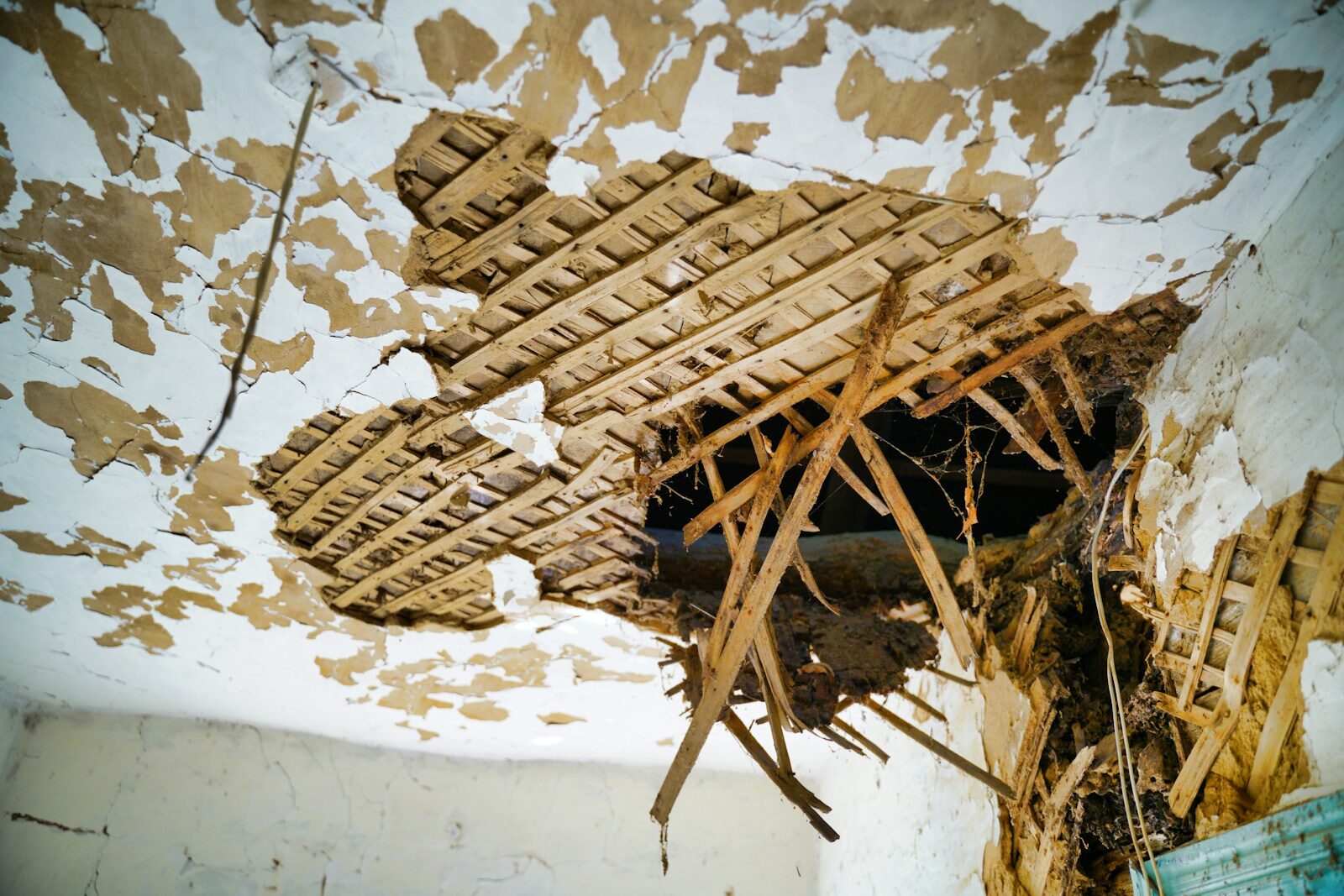
In one case involving the London Borough of Lambeth, a child slept for more than two years in a damp and mould-affected bedroom following a roof leak. The room was without heating or electricity for extended periods. No risk assessment was carried out, and the family were not moved into temporary accommodation.
In another case, Stonewater was aware of a roof leak for more than 11 months before water entered the property, dripping onto a child’s television and causing a small fire. The Ombudsman found no effective repairs were completed and the risk to electrical systems was not properly addressed.
Other cases included residents forced to place buckets around their homes to catch leaking water, and families unable to use their kitchens or bedrooms for long periods.
One patient undergoing chemotherapy lived for more than three years with a leaking bedroom after repairs were delayed by Sanctuary. In another case involving Riverside, a family recovering from a double lung transplant lived for 18 months with damp and mould.
Ombudsman response
The Ombudsman said many of the cases pre-dated Awaab’s Law but highlighted clear lessons for landlords ahead of its wider implementation.
Common issues included repeated temporary fixes instead of permanent repairs, delays in major works, weak record-keeping, and failure to consider temporary accommodation even where homes were unsafe.
The report also highlights delays in Section 20 consultation processes for leaseholders and shared owners, which extended the time residents remained in affected homes.
In one case involving Sanctuary, a family with four children lived with leaks affecting two bedrooms for almost four years. They later arranged alternative accommodation themselves after the landlord failed to advise them to contact its insurer. The Ombudsman ordered £11,000 in compensation.
Richard Blakeway said lessons from routine repairs needed to be carried into larger programmes. ‘With the new Decent Homes Standard on the horizon, lessons from responsive repairs should be transferred into handling major works,’ he said.
The report says landlords must improve how they assess vulnerability, prioritise safety, and manage complex repairs.
Many landlords involved said they had introduced changes, including tighter oversight of repairs, improved communication and stronger complaints handling.
The Ombudsman said improvements were under way but warned consistent delivery would be essential to prevent similar failings.
Image: Michał Lis/UnSplash
In related news:
Home Secretary unveils ‘once-in-a-generation’ asylum overhaul
Leave a Reply