


















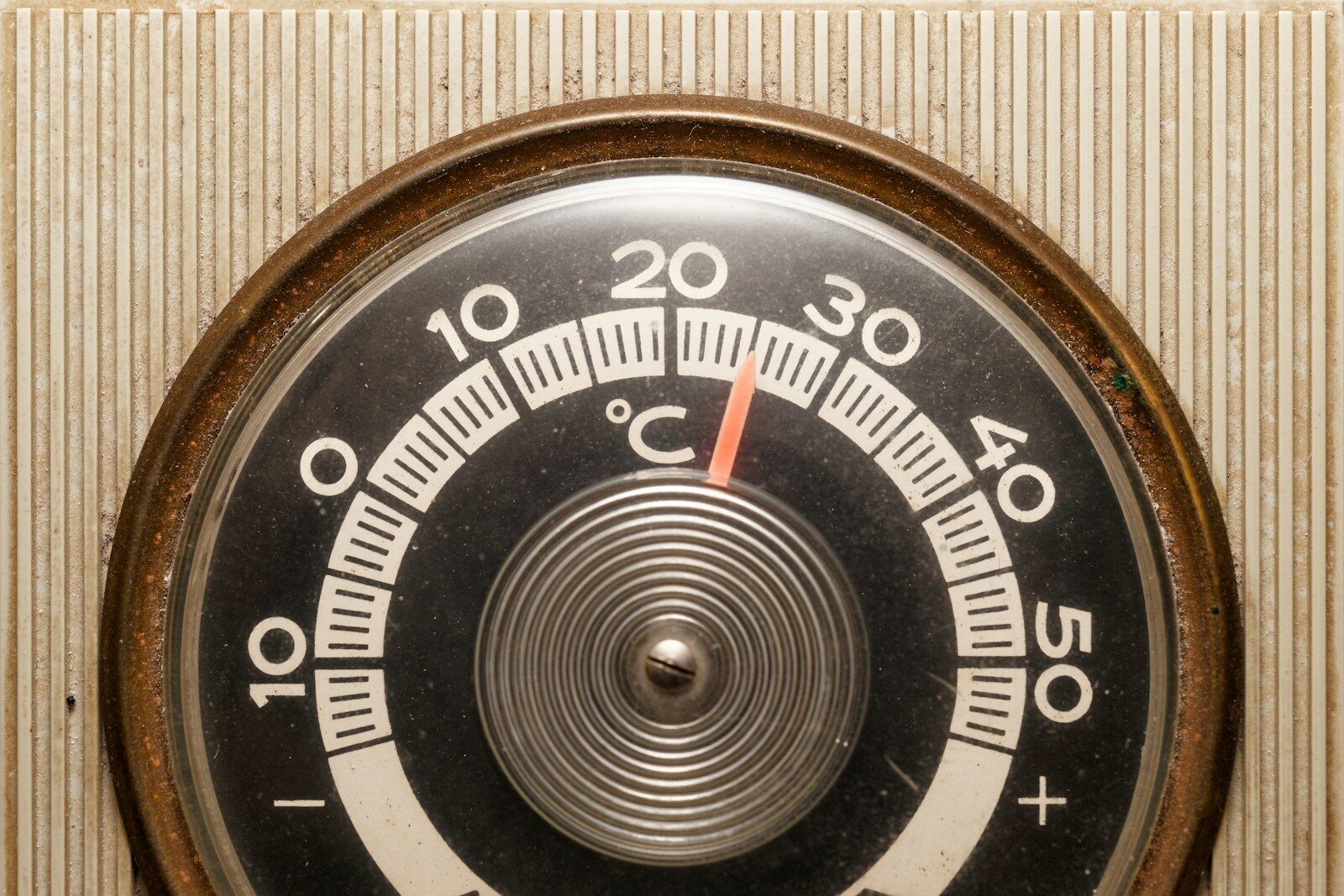
The Government is being urged to consider introducing new regulation on the maximum temperature staff can be expected to work in.
Unlike provision for cold weather, the UK currently has no upper limit on how hot a workplace can be before it is deemed unsuitable for employees. This type of legislation exists in many parts of Europe.
Pressure from unions and workers is now mounting as Britain begins to endure its third heatwave in as many months, with thermometers once again expected to approach 40C in some parts of the country.
‘Workers, older people and disabled people are under life-threatening pressure during extreme heat,’ said Moa Pårup, of Heat Strike, which is drumming up support for a nationwide walk-out across the UK the next time temperatures break previous records. ‘We need to act together to make workplaces safer as these temperatures become more frequent.’
The public sector, which in many regions remains the largest employer, is already struggling with low productivity levels. A 2025 report by the consultancy Centre for Economics and Business Research suggested that more than £5 billion in additional funding, and 92,000 additional staff, could be needed in public organisations if the decline in worker output continues through to 2030.
The prospect of much warmer working environments will exacerbate this. According to the first ever study of heat stress on productivity, once a workplace hits 34C staff are 35% less productive. Rising to a 70% drop in output at 40C. Although these temperatures are unthinkable in many professional environments, they also represent part of a sliding scale, with work rate declining steadily the hotter a building gets.
Image: Nikita Turkovich / Unsplash
Leave a Reply