
















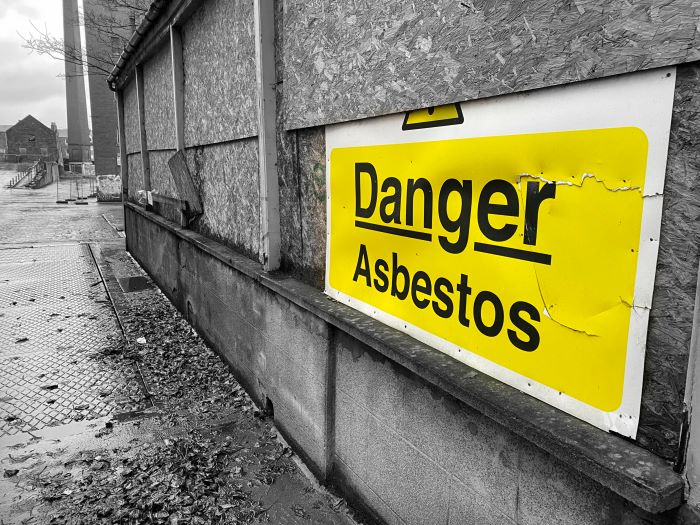
Families who have lost loved ones to asbestos and other dust-related diseases are set to receive higher compensation under new Government legislation.
The changes, laid in Parliament today, will bring payments to dependants into line with those available to people suffering from work-related diseases such as mesothelioma and pneumoconiosis.
Workers who develop these conditions may be eligible for a one-off Government payment if they have been unable to secure compensation from their former employer. This can be particularly important because dust-related diseases can take decades to develop, by which time the employer responsible may no longer exist.
Under the current system, however, compensation is reduced if a claim is paid after the sufferer has died. On average, sufferers receive around £17,700, compared with £10,700 for dependants – a difference of £7,000.
The Government says the new rules will end this discrepancy, meaning bereaved families will receive the same rate of compensation as the person who originally qualified for the payment.
In 2025, 2,730 sufferers received an award, while a further 300 payments were made to dependants at the lower rate.
The reforms will also simplify the way compensation is calculated by removing outdated top-up payments and introducing a single award structure. References to Pneumoconiosis Medical Boards will also be removed from the rules, as the boards ceased operating years ago.
Campaigners, including the Asbestos Victims Support Group Forum UK, and parliamentarians such as Baroness Blower, have highlighted the disparity between payments to sufferers and dependants for more than a decade.
The Government estimates the changes will increase payments to dependants by between £2 million and £6 million a year.
Sir Stephen Timms, Minister for Social Security and Disability, yesterday said: ‘Families who have lost a loved one to a disease caused by their work deserve our support, not a system that treats them as an afterthought.
‘That’s exactly what’s been happening, and campaigners have been telling us for over a decade that it’s wrong.
‘Today we’re fixing it. Fairer, simpler, clearer support for families, at an incredibly difficult time in their lives.’
Jane Lassey, Director of Regulation at the Health and Safety Executive yesterday said: ‘The devastating impact of asbestos-related disease and the terrible legacy of past exposure underscores why it is vital that we continue to protect people from the dangers it can pose. That is why we continue to deliver guidance, awareness-raising campaigns, and enforcement activity to protect people from harm.’
Subject to Parliamentary approval, the new regulations are due to come into force on 31st October 2026.
Leave a Reply