











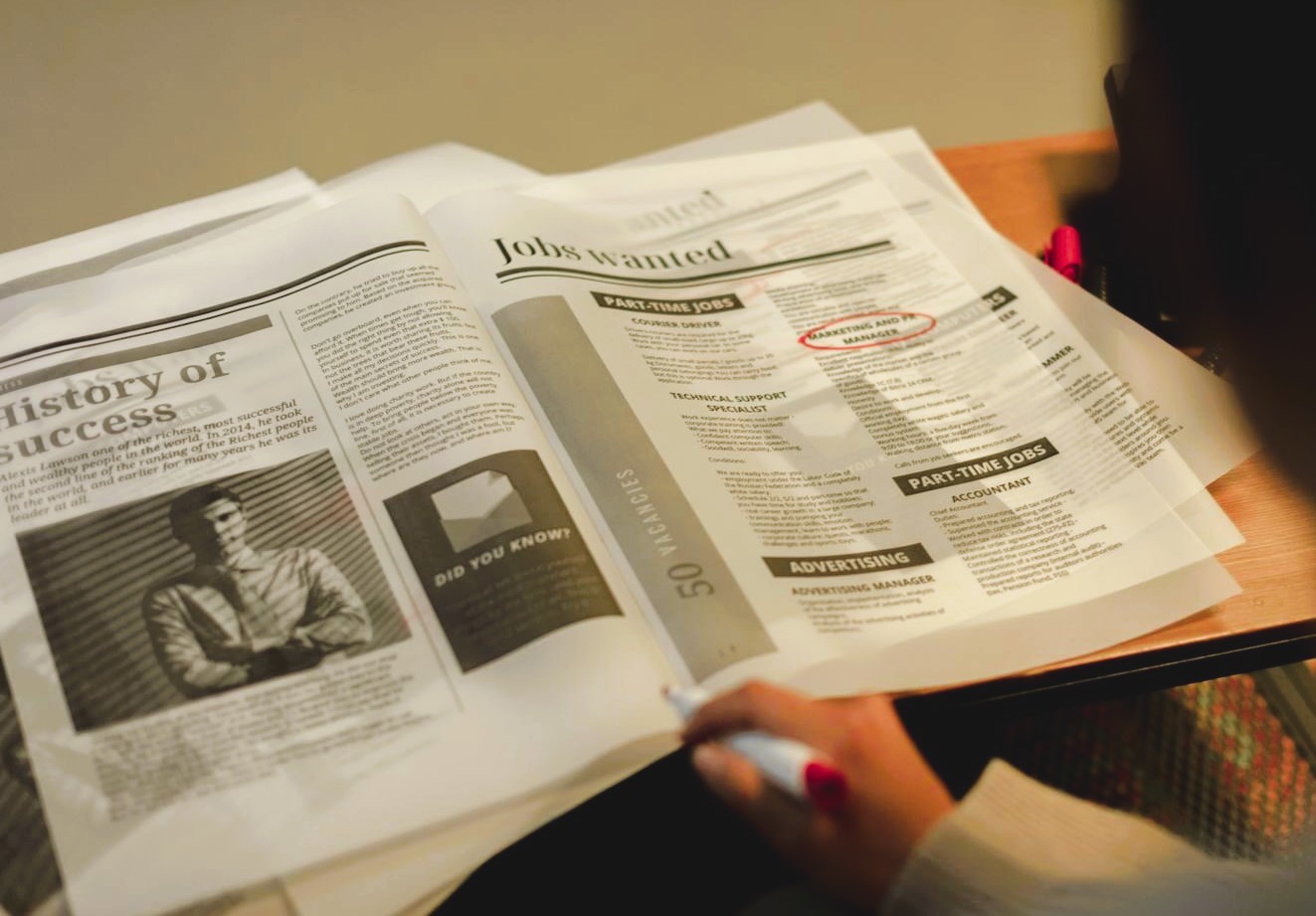
Jobseekers will no longer have to apply for roles without knowing what they pay, under plans announced by the Prime Minister to make publishing salaries in job adverts a legal requirement.
The ‘say what you pay’ measure is aimed at a common frustration, particularly for young people applying for their first job. Government estimates suggest fewer than half of employers (41%) always publish salary ranges, and only one in five (18%) always publish specific salaries.
Ministers say the change will back employers already doing the right thing and make openness about pay the minimum standard. It is also intended to help tackle pay inequality, as hiding pay details can disadvantage women by forcing them to negotiate blind, leaving them more vulnerable to lower offers.
Early analysis of responses to a government consultation shows overwhelming support, with 94 per cent backing the requirement, including 93 per cent of businesses. Publishing salaries upfront, the government says, can expose unjustified pay differences, give workers more confidence to challenge discrimination and stop disagreements over pay escalating into disputes.
Minister for Women and Equalities, Bridget Phillipson, said: ‘What a job pays is rightly at the forefront of people’s minds when looking for work – it shouldn’t be a guessing game.
‘It’s more important than ever today for people to know if a role will pay the bills or if you’re qualified enough for it. Mandatory salary information on job adverts will help young people make informed choices, help close the gender pay gap, and tackle an everyday annoyance that can stand in the way of applying for a job.
‘Whether it’s a young person looking for their first job or a mum getting back into work, no-one should have to enter an already daunting process salary blind.’
The government will bring forward legislation as soon as possible. In the meantime, the Prime Minister is urging all businesses to publish pay in job adverts now rather than wait for the law to change.
Leave a Reply