














Councils balancing tree protection, legal liability and shrinking budgets are on the front line of climate risk. Sarah Dodd, a local government lawyer specialising in tree law, highlights the missing piece in insurers’ approach: the unseen carbon consequences of claims decisions.
Local government is where climate ambition meets the everyday reality of risk. Councils are expected to protect trees, reduce emissions, and manage rising subsidence claims, often with shrinking budgets and limited room for error. On paper, insurers have made progress on Scope Three reporting. In practice, one part of the carbon story is still missing. The emissions created by claims decisions themselves are rarely acknowledged, even though they shape outcomes on the ground.
Tree-related subsidence makes that gap visible. As hotter, drier summers become more common, claim volumes rise and long-standing assumptions are put under strain. Yet many of the frameworks guiding decisions were developed for a different climate. When pressure builds, the system defaults to what feels safest, not what is necessarily most proportionate or sustainable.
For councils, subsidence linked to trees tends to fall into two distinct categories, each with its own pressures.
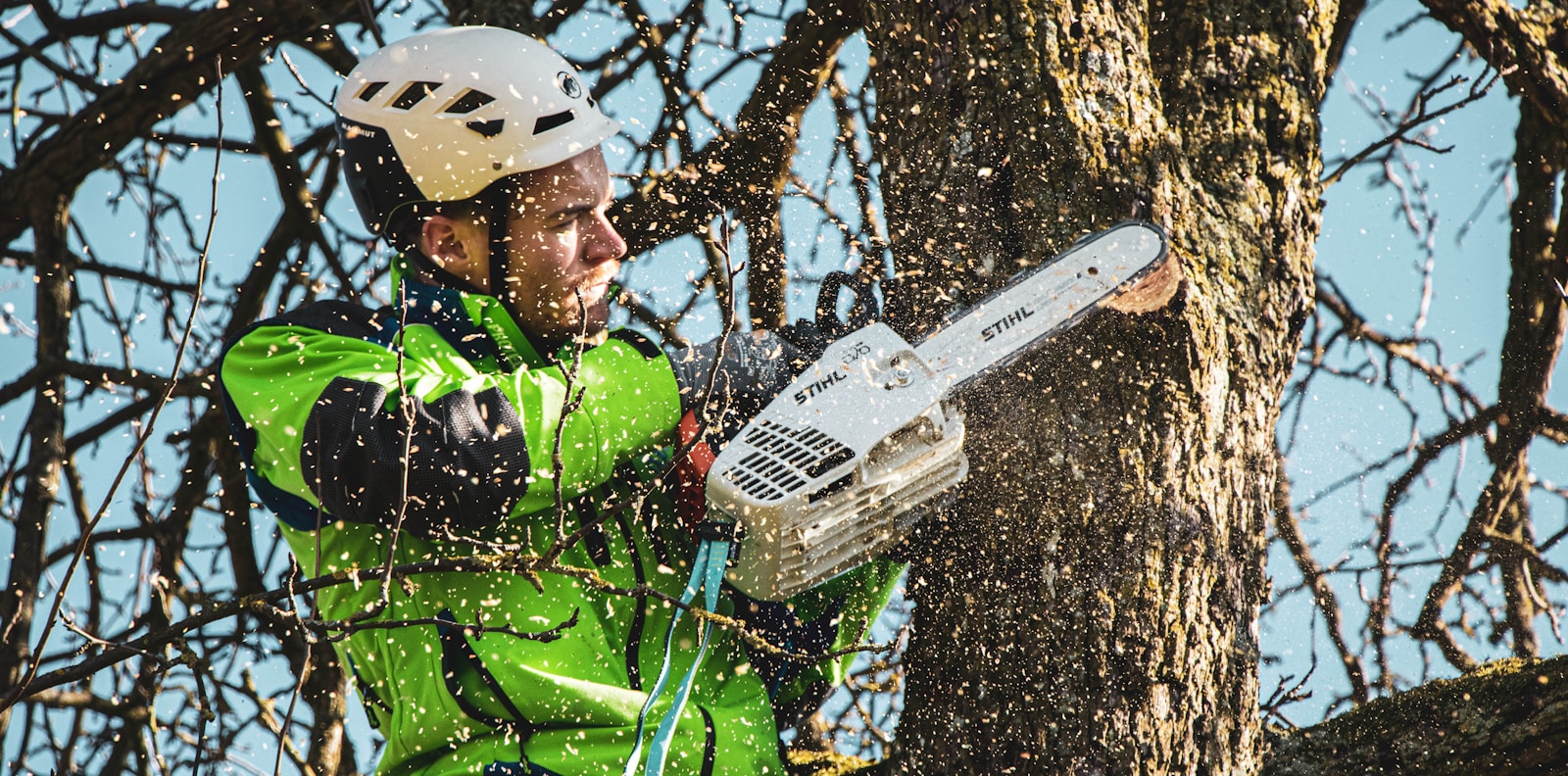
The first involves council-owned street trees. When evidence links a street tree to subsidence damage, councils are asked to act. This often sits uneasily alongside public commitments to retain and expand much loved trees and an environmentally important urban canopy. Officers must weigh legal exposure, public perception, and operational capacity, all while knowing their own insurers are focused on reducing future claims and want them to take action. In that context, removal or heavy pruning can feel like the most defensible option – and less risky. Because if the council decides not to act and a legal claim follows, liability is typically insured. That backstop does not dictate decisions outright, but it does shape the boundaries of what feels acceptable.
Then there’s a second scenario; one that is more exposed and less openly discussed. Trees protected by a tree preservation order are often privately owned, yet at the same time councils must approve or refuse any proposed works. When a TPO tree is implicated in subsidence, refusal carries a specific financial risk. Homeowners can seek compensation for additional costs incurred as a result of the refusal, often linked to underpinning or other engineering solutions.
Read the full article on LocalGov
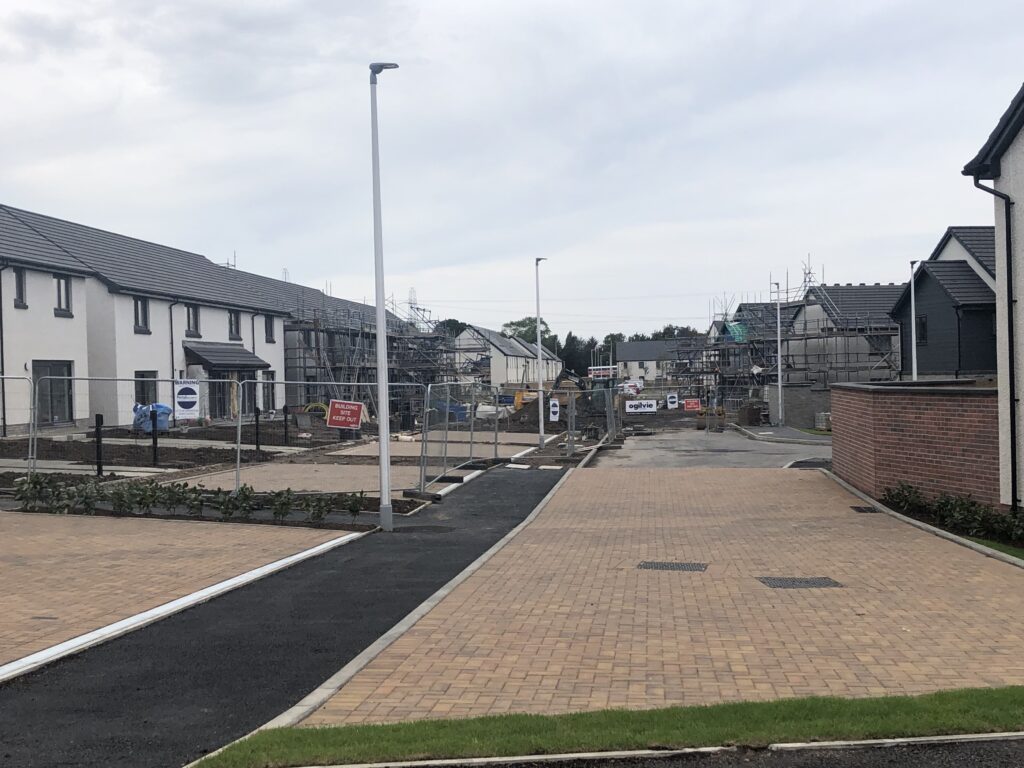
Photo: Benjamin Brunner / Unsplash
Leave a Reply