















Tens of thousands of criminals will be released from prisons in England and Wales wearing tags that track their location in real time, ministers have announced.
Lord James Timpson, the prisons minister, said a new pilot scheme would track domestic abusers and stalkers, altering authorities if they approached their victims. Other offenders will wear geolocation tags that enable probation officers to monitor their live location.
Under the plans, most offenders leaving prison will be tagged under a ‘presumption…as part of intensive supervision with the Probation Service’. Officers will hold fewer meetings with ‘low-risk’ prisoners to focus on high-risk offenders such as terrorists, murderers and prolific sex offenders.
Lord Timpson said: ‘This is the biggest expansion of tagging in British history and means the most dangerous offenders will now be watched more closely than ever before.’
The government said the move comes amid an overcrowding issue in prisons, which last year led to thousands of prisoners being released early under an emergency scheme.
Launched in September 2024, after prisons neared full capacity, the scheme saw around 40,000 prisoners released over 12 months, according to Ministry of Justice figures obtained by the BBC under a freedom of information request.
An official watchdog warned last year that the probation service had “too few staff” with “too little experience and training”, leaving members of the public at risk.
The public accounts committee found longstanding staff shortages had left probation officers dealing with ‘excessive and unmanageable workloads’, with some working at 126% of capacity for several years.
The prison service met only 26% of its targets for timeliness of appointments and delivery of services in 2024-25, down from 50% in 2022, according to the National Audit Office. Between 2023 and 2025, 31% of target probation appointments did not take place, the Ministry of Justice said.
Government plans to recruit 1,300 extra probation officers in the next year, as part of a £700m investment by 2029. This includes £100m for the tagging expansion by the end of the parliament, and a £5m pilot for ‘proximity monitoring technology’ for domestic abusers and stalkers.
Tagging, while a ‘useful option’ as part of licence conditions combined with supervision and support, was ‘not a panacea for reducing reoffending’, said Pia Sinha, CEO of the Prison Reform Trust.
‘It’s hard to monitor, and could lead to more breaches and possibly recalls,’ she added. ‘Equipment is not always reliable and also can prevent genuine resettlement and rehabilitation of offenders because the tagging is over-restrictive.’
Claire Waxman, the victims’ commissioner, said moves to rebuild the probation service were welcome. She said some victims had been under the impression their perpetrators were tagged when they were not.
‘Technology and innovation are only as effective as the system that supports them,’ she said. ‘Tagging must be backed by swift enforcement the moment a breach occurs or there is a real risk of creating a false sense of security for victims.’
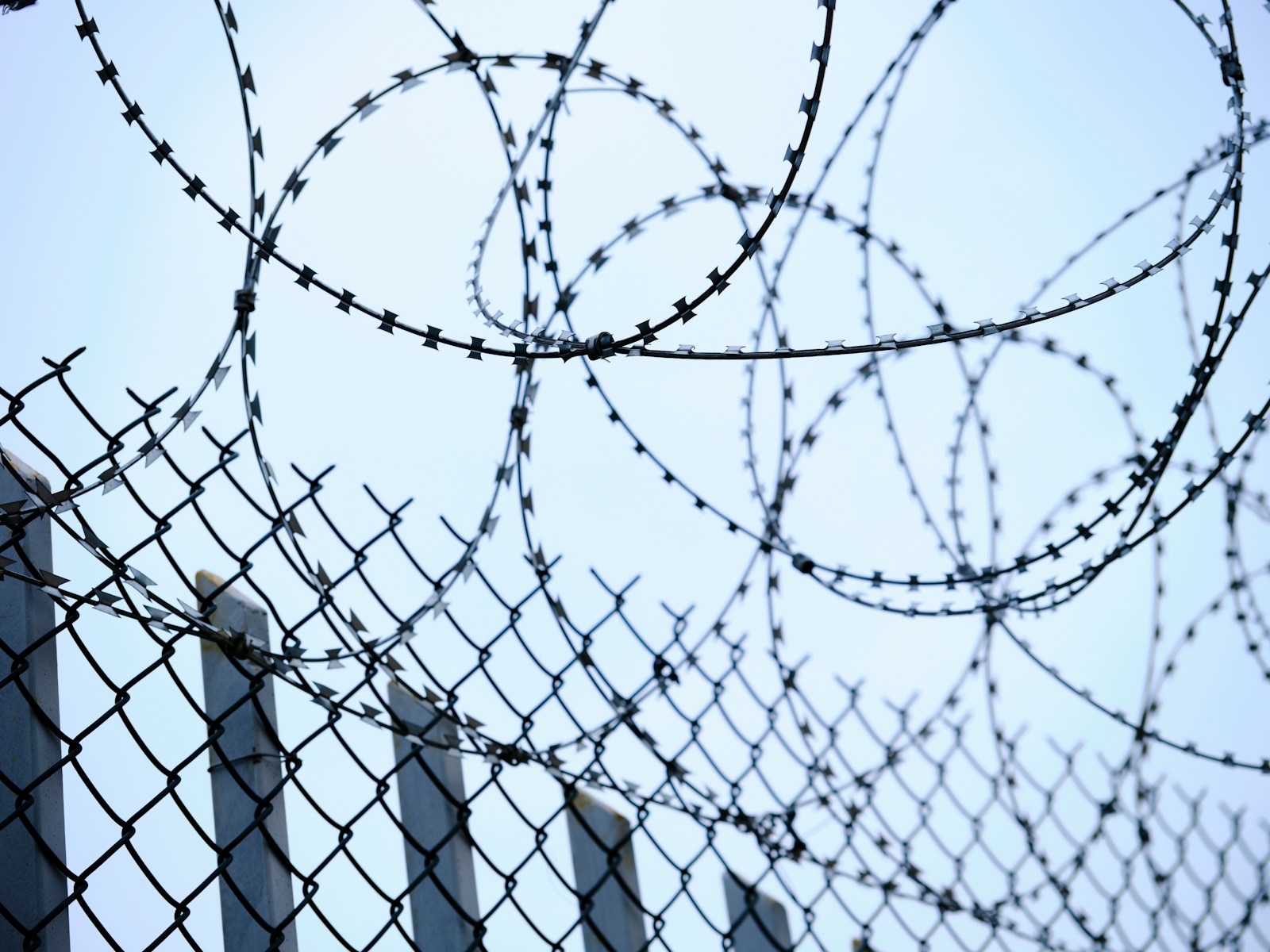
Image: engin akyurt/Unsplash
In related news:
New guidance helps adult social care providers improve complaints handling
Leave a Reply