


















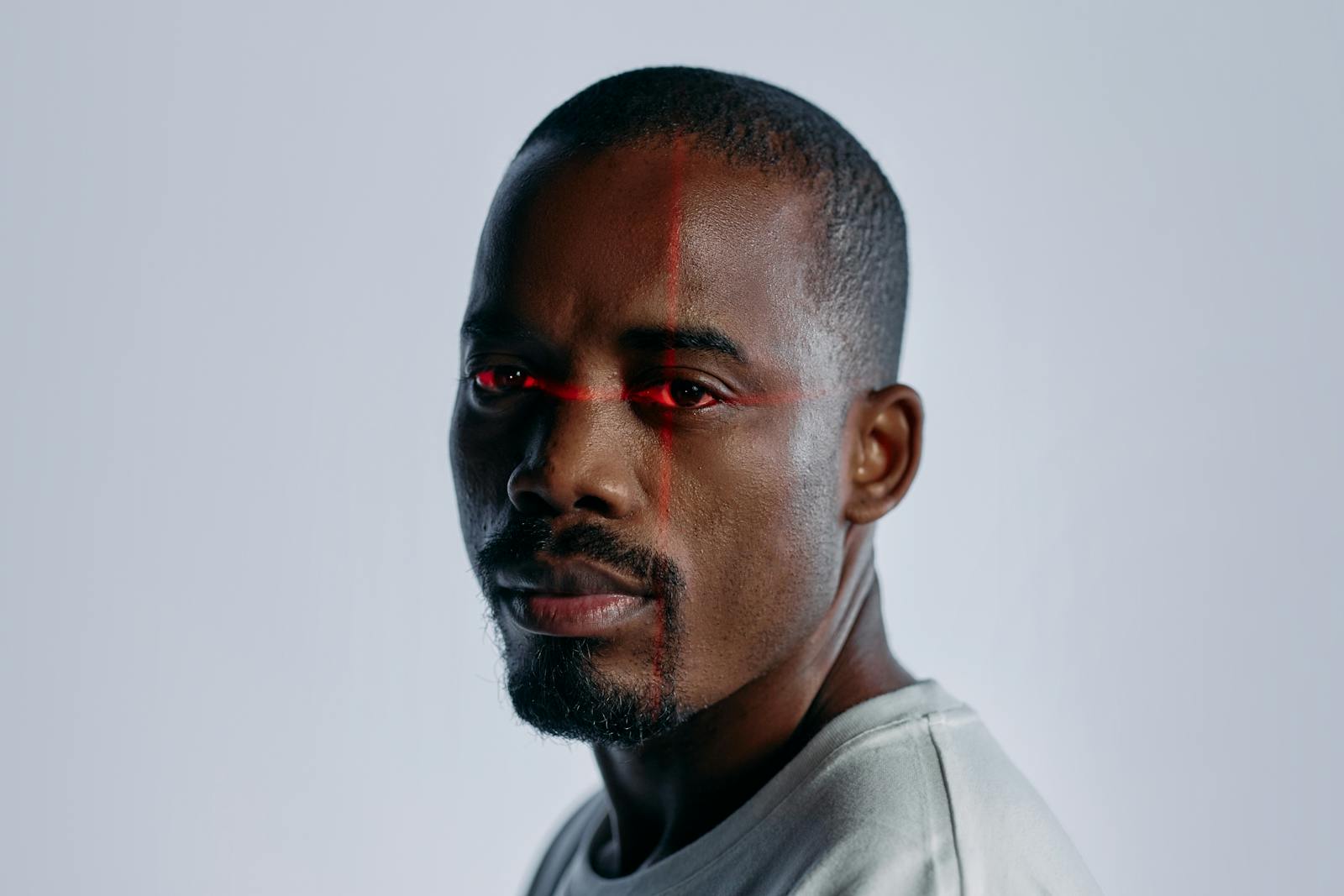
The Divisional Court yesterday (21st April) dismissed a judicial review challenge to the Metropolitan Police Service’s policy governing the overt use of Live Facial Recognition (LFR) technology.
The claimants – Shaun Thompson, a Black community worker mistakenly identified during an LFR deployment, and Silkie Carlo, Director of Big Brother Watch – argued that the policy gave police officers excessive discretion over where, why and against whom LFR could be used. They contended this breached Articles 8, 10 and 11 of the European Convention on Human Rights, which protect private life, expression and assembly.
Significantly, the court distinguished this policy from the flawed South Wales Police policy criticised in the 2020 Bridges case which established the first legal framework for police use of LFR technology in the UK .
The Court in that case did not ban the use of LFR, ruling instead that the technology could be lawful if used within a proper framework. This judgment forced police forces to rewrite their policies, which is why the Thompson and Carlo case is significant: it tested the new, stricter Metropolitan Police policy against the very standards set by Bridges, and the court found it was sufficiently clear and lawful.
The court concluded that the Metropolitan Police’s 2024 policy was materially different from the flawed South Wales policy in Bridges in several key ways:
The Met’s policy was found to be a far cry from the ‘hunch’ or ‘professional intuition’ of an officer as criticised in South Wales, where officers where allowed too much discretion.
The Bridges court noted a lack of clear, restricted categories for when LFR could be deployed, whereas The Met’s policy introduced three defined ‘Use Cases’ (crime hotspots, protective security and specific intelligence).
Finally, A major flaw in Bridges was the vague criteria for who could be placed on a watchlist. The Met’s policy established detailed, objective rules for watchlist construction, directly addressing the arbitrariness criticised in Bridges.
Following the verdict, Big Brother Watch said: ‘We’re supporting Shaun Thompson in appealing this judgment, because otherwise, mass surveillance with live facial recognition will become the norm.
‘We’re on the brink of a very different kind of society – one where cameras can act as identity checkpoints on every street corner.
‘Last year alone, the Met scanned 4.2 million people’s faces in London – more than any other European capital or Western democracy.
‘Without stronger safeguards, this risks becoming routine mass surveillance.’
Photo: cottonbro studio
Leave a Reply