

















Company admits releasing sewage, sewage debris, diesel and waste matter in Kent, even after £90m fine.
The private utility company Southern Water has pleaded guilty to five offences under the Environmental Permitting (England and Wales) Regulations 2016, which make it an offence to ‘cause or knowingly permit a water discharge activity or groundwater activity.’
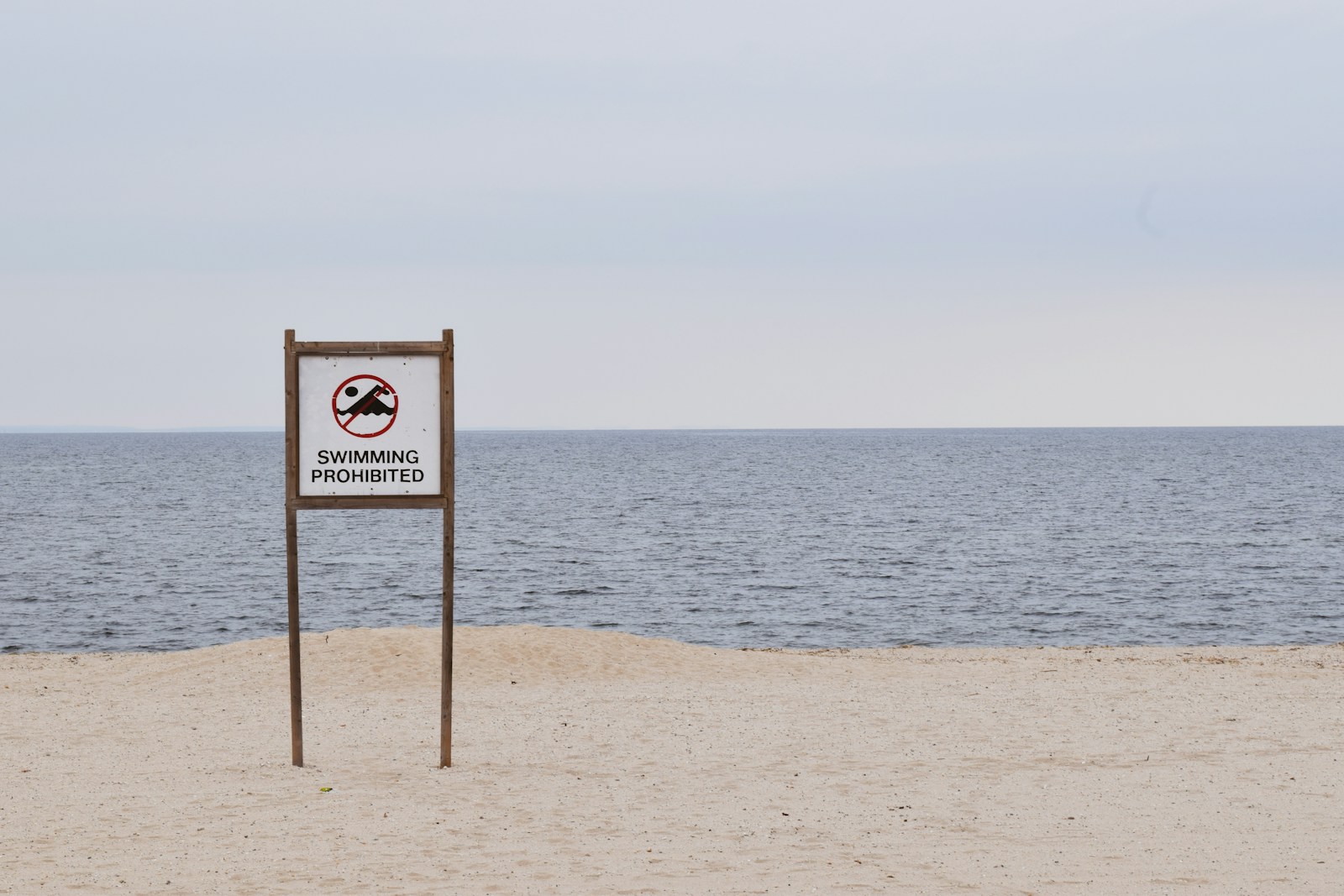
Photo by Noah Negishi / Unsplash
The company admitted releasing untreated sewage, sewage debris, diesel and waste matter at various times between 2019 and 2021, in some cases with pollution occurring simultaneously at separate locations.
Southern Water pleaded guilty to all five charges at a hearing at Medway magistrates’ court on April 7, 2026. Sentencing will take place at the same court on a date as yet to be confirmed.
One example is the incident at Swalecliffe Brook in Whitstable in July 2019. The Environment Agency was alerted to what looked and smelled like oil in the water, and used absorbent booms to contain what proved to be diesel from Southern Water’s local wastewater treatment plant. A generator had failed and began leaking. Local people were duly warned to keep out of the water.
Then, over three days in March 2020, untreated sewage was released into Faversham Creek from a separate wastewater station because pumps had stopped working. At the same time, Swalecliffe Brook was polluted again, this time with a release of sewage.
The charges include a number of other incidents.
What makes the charges especially concerning is that these incidents occurred after Southern Water had already been charged a record £90m for almost 7,000 illegal discharges.
Dawn Theaker, Water Industry Regulation Manager in the South East at the Environment Agency, says: ‘All of these pollution incidents could have been avoided if Southern Water had managed operations more carefully, and had in place the necessary checks to deal with problems when they occurred. It’s a familiar pattern with water companies. Always catching up with events.
‘The Environment Agency will keep Southern Water in its sights with more inspections, even tougher regulation and prosecution in the most serious cases.’
Leave a Reply