
















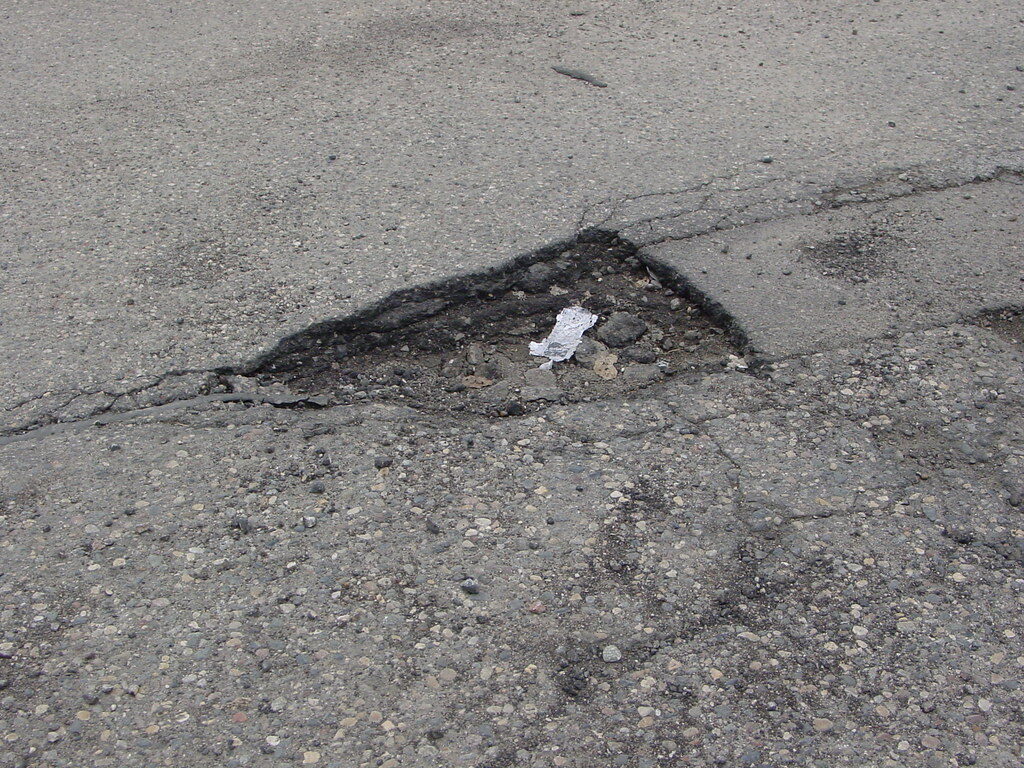
New government rules issued today (9th June) will require councils in England to publicly demonstrate how effectively they repair their roads, prioritising long-term preventative resurfacing over short-term patch fixes.
The guidance aims to end costly, repeated repairs and deliver smoother, safer journeys, saving motorists an average of £500 a year in pothole-related damage.
For the first time, councils must publish transparency reports by September 2026, revealing exactly how many roads are due for resurfacing and what steps they are taking to avoid repeat visits to the same asphalt. The public will be able to hold local authorities accountable using updated red, amber, and green ratings, which assess whether councils follow best practice such as investing in full road resurfacing rather than temporary patching.
Councils that fail to publish their reports on time, or do not follow the new requirements, will have nearly a third of this year’s highways maintenance funding withheld. The government has already provided a record £7.3 billion in long-term road funding to help local authorities turn the tide on the pothole plague.
The cost of pothole damage is not only borne by motorists but also by emergency services and organ donation charities, which spend thousands each year repairing life-saving vehicles. Red-rated councils will receive additional support, including expert help worth £300,000, to raise standards and fix more roads.
The announcement follows earlier measures in April, under which up to a third of £1.6 billion in highways funding could be withdrawn if councils fail to meet strict requirements. Together, these steps are designed to ensure transparency and force a shift from reactive patching to permanent, future-proofed road repairs.
RAC Head of Policy Simon Williams said: ‘Aside from potholes themselves, there’s nothing that annoys drivers more than ones that have been poorly repaired and become potholes again in a matter of weeks or months. Bad repairs are a waste of time and money, so it’s positive the government is prioritising long-term fixes over short-term patching and dashing.
‘Potholes need to be fixed promptly and permanently as they are a serious road safety danger to those on 2 wheels, along with causing expensive damage to vehicles. The poor state of Britain’s roads is drivers’ biggest gripe, so it’s good to see a new approach being taken. Fixing potholes once and carrying out preventative maintenance that stops them forming in the first place is a big step towards improving our roads for the future.’
Leave a Reply