
















Disclosure rules written before smartphones existed are to be overhauled in a major reform that will allow police officers to use artificial intelligence to review and summarise evidence, freeing them from paperwork and allowing more time on the frontline.
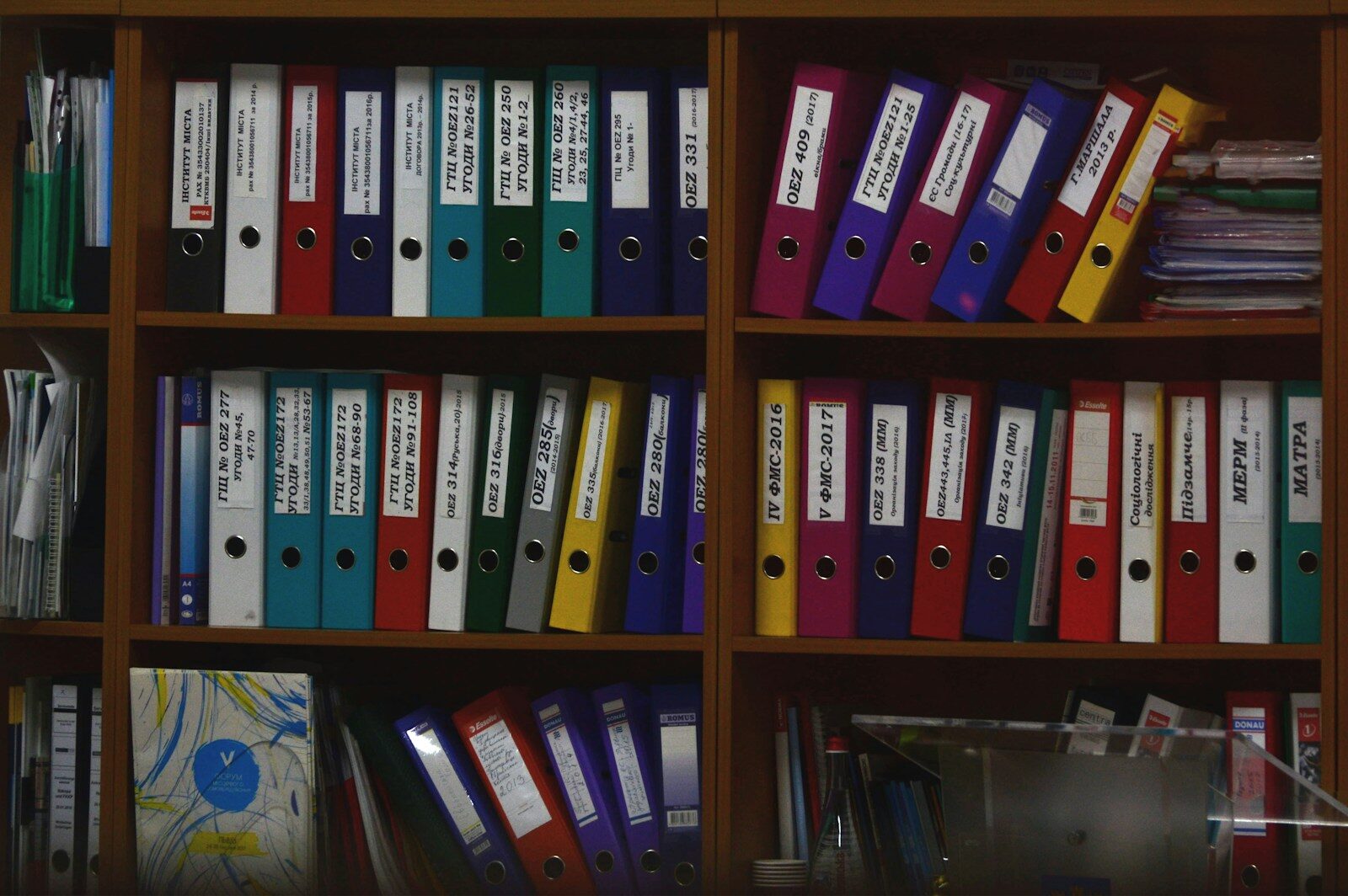
The current guidance for managing evidence was introduced in 1996, when case files often fitted into a single box. Now, some investigations contain over 500,000 e-books’ worth of data, and an average fraud case involves more than four million documents.
The Home Office has accepted key recommendations from Jonathan Fisher KC’s Independent Review of Disclosure and Fraud Offences, including legislating to permit the use of AI to help identify, sort and compile millions of files currently reviewed manually. Using Home Office funding, the National Centre for Police AI (PoliceAI) will pilot tools capable of automatically generating summaries of digital material, with a view to scaling across all police forces in 2027.
The Policing Productivity Review estimated that officers spent approximately 532,000 hours in 2022/23 undertaking disclosure work and building case files later assessed by the Crown Prosecution Service as requiring no further action.
The government has also accepted recommendations to establish a national governance forum for disclosure technology and to move towards centralised procurement of police technology . The reforms follow the launch of PoliceAI, backed by £75 million of government funding, which is expected to free up an estimated six million hours of police time per year by 2028 – equivalent to 3,000 extra officers.
Graham McNulty QPM, Director of the Serious Fraud Office, said: ‘Modern fraud, bribery and corruption cases involve vast amounts of digital data, and our disclosure regime must keep pace with that reality. I welcome the government’s response to disclosure reform, which marks a positive step forward.
‘I’m particularly pleased that government will be exploring opportunities to pilot a new Intensive Disclosure Regime and look forward to continuing to work with others to bring disclosure practice fully into the digital era.’
Photo: Viktor Talashuk
Leave a Reply