
















Housing developers have secured permission to challenge a government decision that temporarily blocked a residential development in Warrington, after the High Court ruled their legal arguments were arguable and should proceed to a full judicial review.
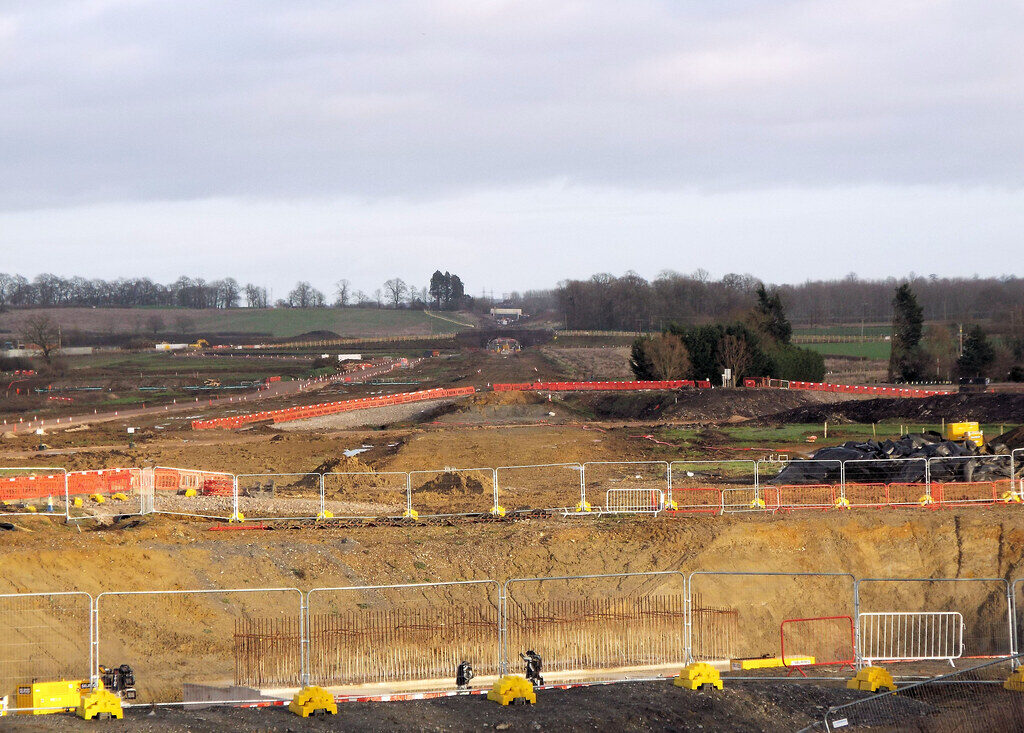
The case concerns land at Thelwall Heyes, around four kilometres east of Warrington town centre, which had been allocated in the local plan for at least 300 homes. Bridgemere Land Limited, Castle Green Homes Limited and Bridgemere UK Limited had submitted plans for 330 dwellings and associated works on the site.
The developers had been in discussions with the Department for Transport (DfT) over the potential purchase of the land for a proposed Liverpool to Manchester rail link as part of Northern Powerhouse Rail (NPR). Discussions included the possibility of an option agreement that would have delayed development while allowing the Secretary of State an opportunity to purchase the site.
However, in January 2026, the Secretary of State for Transport issued an Article 31 direction under the Town and Country Planning (Development Management Procedure) (England) Order 2015. The direction prevented Warrington Borough Council from granting planning permission for six months.
Although the council’s planning committee was still able to consider the application, and unanimously resolved to grant permission subject to a legal agreement, the direction prevented the final approval from being issued.
The developers challenged the decision, arguing that the direction had been issued for an improper purpose, that the government had failed to properly consider its impact on them, and that it interfered with their property rights.
Mr Justice Chamberlain ruled that the claims were arguable and granted permission for a full judicial review hearing.
The judge noted that it was ‘at least unusual – and possibly unprecedented’ for an Article 31 direction to be used in circumstances where land was potentially required for a major public project without triggering statutory blight protections.
The developers argued that the government had effectively sought to safeguard the land for possible NPR use while avoiding the consequences of formally issuing a safeguarding direction, which would provide landowners with additional rights relating to compensation.
The court did not determine whether the government had acted unlawfully, but found there was a realistic prospect that the challenge could succeed. The judge also considered arguments that the direction may have failed to adequately address the impact on the developers and that it could amount to an interference with property rights.
A further Article 31 direction was issued by the Secretary of State in July 2026, extending the restriction on granting planning permission until after 30th October. Mr Justice Chamberlain said this demonstrated that the case remained significant and encouraged the parties to move quickly towards a substantive hearing.
The judicial review will now proceed to a full hearing, where the legality of the government’s approach will be examined in more detail.
Leave a Reply