


















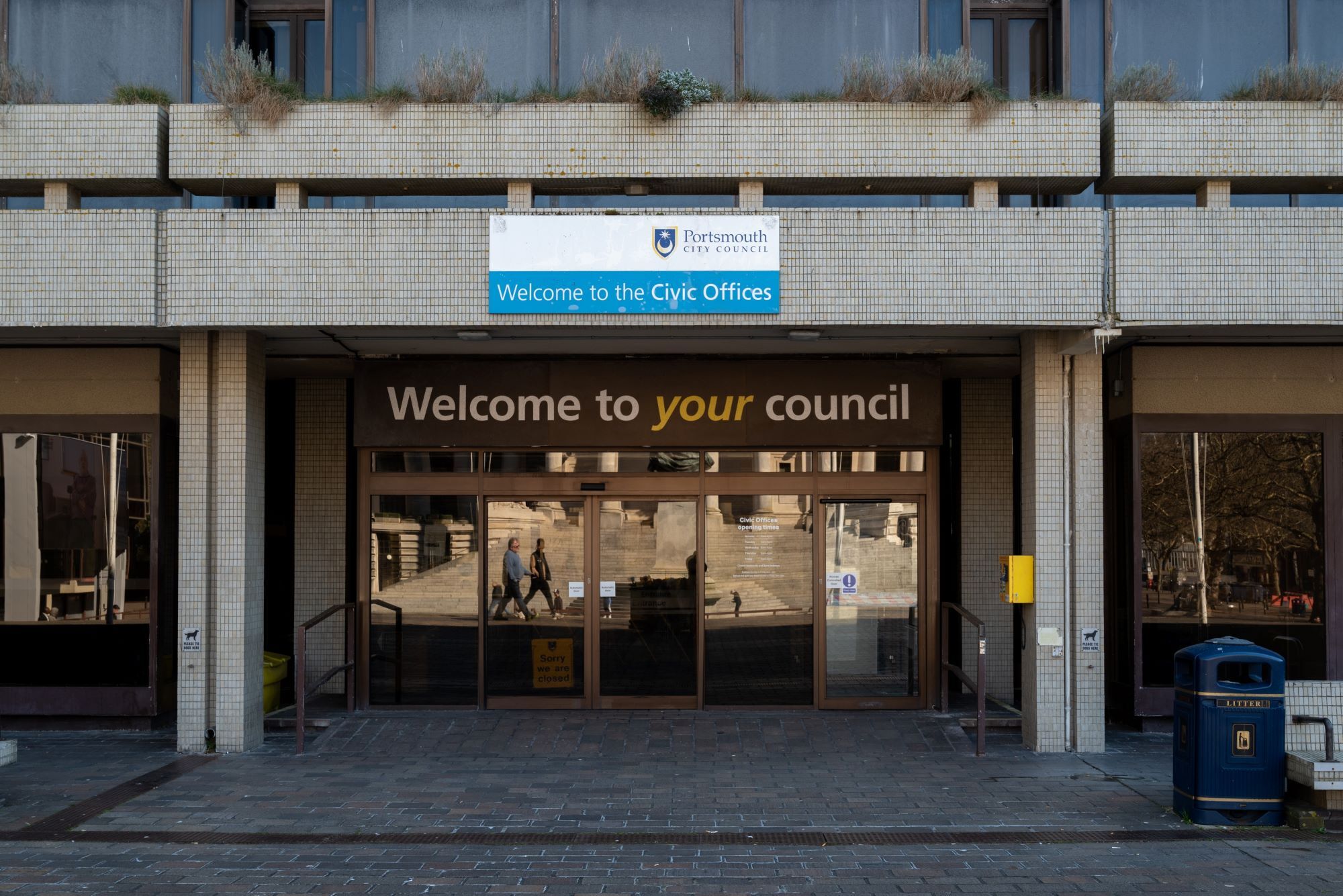
An elderly woman was accidentally fed dog food while receiving homecare in Portsmouth, an investigation has revealed.
A report published by the Local Government and Social Care Ombudsman on Wednesday found the woman experienced a series of care failings over several months. A safeguarding investigation into her treatment also took six months to complete.
Portsmouth City Council had commissioned Radis Community Care to provide support for the woman, who needed help after suffering a fall.
Her care included daily visits for food, fluids and medication. However, a council safeguarding investigation exposed multiple concerns about the service provided.
In one instance, the lady was accidentally given microwaved dog food, which was recorded in care notes as a ‘lamb dinner’.
The woman’s family later found her Do Not Attempt Resuscitation (DNAR) document scrunched up in a cupboard. The report said the details were not known to the care workers supposedly looking after her.
Meanwhile, the Ombudsman also criticised Portsmouth City Council for the way it handled safeguarding concerns, which were raised in April 2024.
The local authority’s guidance states enquires should be completed within 28 days, but the investigation found it wasn’t finished until October.
‘This is a truly shocking case, with abysmal failures,’ Amerdeep Clarke of the Ombudsman, said. ‘In this case, a vulnerable woman’s care deteriorated over many months while a statutory inquiry drifted without proper oversight.
‘It is a stark reminder that a council’s safeguarding duty does not end when a contract is signed. Councils must actively scrutinise the care they commission – especially where concerns already exist about a provider.’
Portsmouth City Council has agreed to apologise to the family, refund care fees paid between April and July 2024, and pay £1,000 in compensation. The council has also said they will not be using Radis Community Care again.
Clarke added: ‘For care providers, the message is equally clear: robust care planning, clear escalation, and accurate record keeping are not administrative niceties, they are the foundations of safe care. I urge every organisation working in adult social care to look carefully at the lessons from this case.’
Image: Shutterstock
In related news:
The final weeks before Isabelle Welsh’s murder raise troubling safeguarding questions
Leave a Reply