
















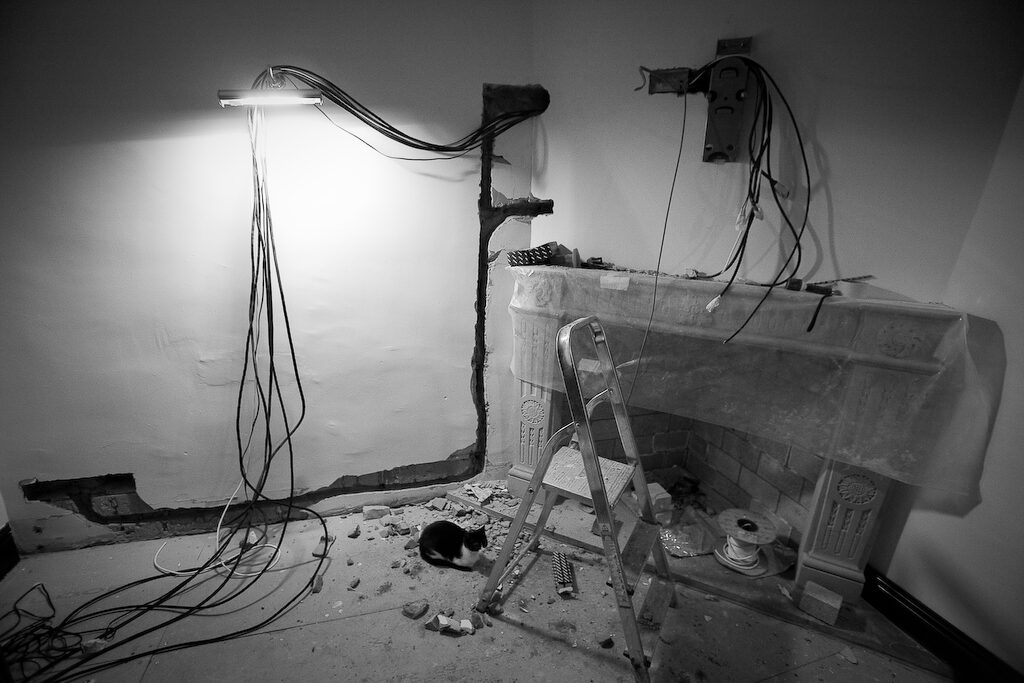
The Government is to crack down on cowboy builders and rogue bailiffs in a package of measures aimed at protecting families from unfair practices and easing cost-of-living pressures.
The plans will introduce new protections for people carrying out home improvements and strengthen regulation of private bailiffs in England and Wales, with ministers saying the changes will help prevent households from being ripped off or unfairly pressured over debts.
From September, a new government-backed scheme will help people identify trusted tradespeople. Builders who sign up to an Approved Code will have to meet higher standards around customer service, transparency and dispute resolution.
A new system will also protect customers’ money during building work by linking payments to key milestones in a project. The Government said the measures would support reputable builders while making it harder for rogue operators to undercut legitimate businesses.
The move follows concerns about the scale of problems experienced by households carrying out home improvements. More than one in four UK adults who had work done in the past 18 months reportedly encountered problems, including projects being abandoned, pressure on elderly people to pay for poor-quality work and builders disappearing after taking upfront payments.
More than a third of those who experienced problems faced additional costs, losing an average of £750. The Government said that in 2024, people lost more than £10.3 billion through losses, excessive costs and unfair practices relating to home and garden maintenance.
Prime Ministerial backing for the measures comes as part of a series of “everyday fixes” intended to reduce financial pressure on families.
The Government is also introducing tougher regulation of the enforcement industry to provide greater protection for people struggling with debt.
Under the new approach, independent oversight will become mandatory for private bailiffs operating in England and Wales. Bailiffs will need to be accredited by the Enforcement Conduct Board, or work for an enforcement company that is accredited, in order to obtain or renew the certificate required to carry out enforcement work.
People facing enforcement action will also have access to an independent complaints process, with the Government saying the changes will help ensure those in debt are treated fairly and with respect.
Ministers said the reforms are particularly important for people who may currently be pressured into repayment arrangements that leave them unable to afford essential living costs.
The Government is also setting out longer-term plans to review the wider consumer protection system, including how organisations such as Citizens Advice and Trading Standards work with regulators, enforcement bodies and redress schemes.
The aim will be to make the system faster and easier for consumers to navigate, while improving the way organisations identify and tackle harm.
Ministers said this could help people dealing with problems ranging from doorstep scams and disputes with tradespeople to concerns about buying a used car, without consumers being passed between different organisations before finding the help they need.
Minister for Courts and Legal Services, Sarah Sackman said: ‘Bailiffs have an important job to do, but with that responsibility must come high standards. When someone is already struggling with debt, the last thing they should face is intimidating behaviour, unfair treatment or being pushed into excessive repayment arrangements they cannot afford.
‘That’s why we’re strengthening the rules. All private bailiffs will have to meet proper, professional standards and will be subject to independent oversight – giving people greater protection and somewhere to turn when things go wrong.’
Leave a Reply