
















Children held in custody in England and Wales are spending too long locked in cells and not getting enough education, according to the prisons watchdog.
HM Inspectorate of Prisons said standards remained poor across much of the youth custody system, despite some improvements.
Its findings are based on assessments of four young offender institutions and Oakhill secure training centre between April 2025 and March 2026.
At Feltham and Werrington young offender institutions, boys were spending fewer than four hours a day outside their cells on average.
Education was also a problem. Inspectors rated it inadequate at all of the young offender institutions they visited except Parc.
Across the five establishments inspected, 16% of children said they were not taking part in education, work or programmes designed to help them address their offending.
High levels of violence
Almost four in 10 children surveyed – equivalent to 39% – said they felt unsafe at some point while in custody. Some described fights, group assaults and weapons being used.
A mere 26% said they would report bullying or being targeted by other children.
Meanwhile, 51% of children said most staff made them feel cared for, while one in three said they had no staff member they could confide in.
Some improvements were made
At Werrington, use of weapons had dropped and safety measures had improved.
What’s more, at Wetherby new vocational training and work opportunities meant some children were able to spend more time outside their cells.
Parc was the only place where inspectors found good standards across all four areas they use to assess prison conditions.
Education was also rated good and inspectors found positive relationships between children and staff.
‘Standards across the youth estate remain woeful’
Charlie Taylor, chief inspector of prisons, said: ‘Children continue to be exposed to high levels of violence, spend too much time locked in their cells and are frequently unable to access the education and support they need to turn their lives around.’
Steph Roberts-Bibby, chief executive of the Youth Justice Board, added: ‘Every child in custody should be safe, supported to learn and given the opportunity to build a positive future.’
She said the findings showed that, despite significant investment and historically low numbers of children in custody, the system was ‘too far from consistently achieving that’.
The Youth Justice Board is calling for a move towards smaller establishments designed specifically around the needs of children.
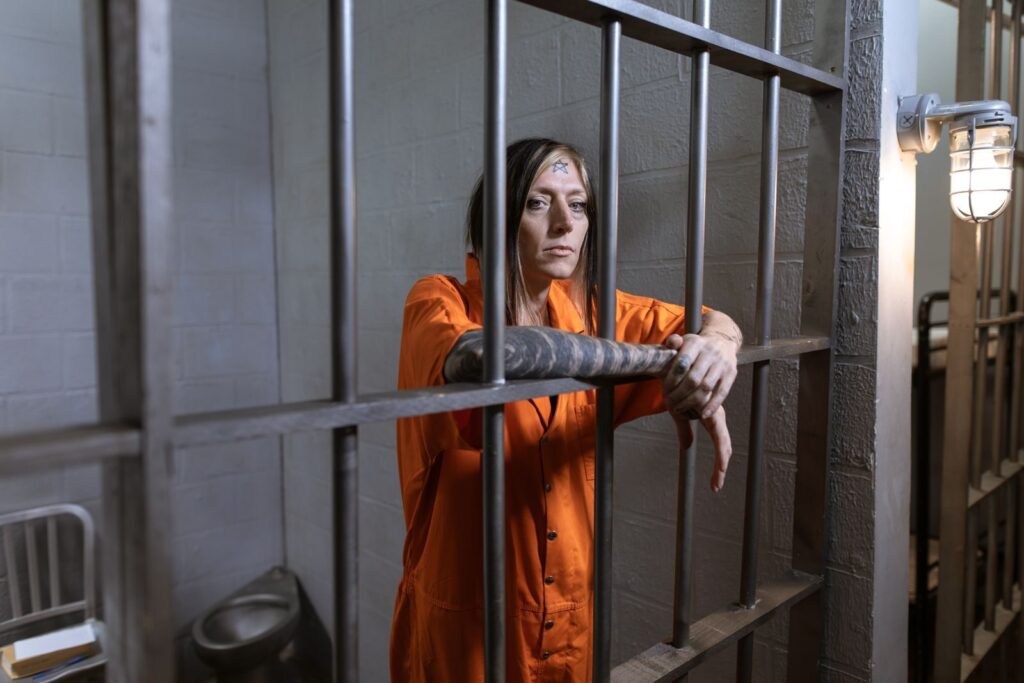
Image: Matthew Ansley/UnSplash
In related news:
Women’s prisons face warnings over staff shortages and unsafe conditions
Leave a Reply