












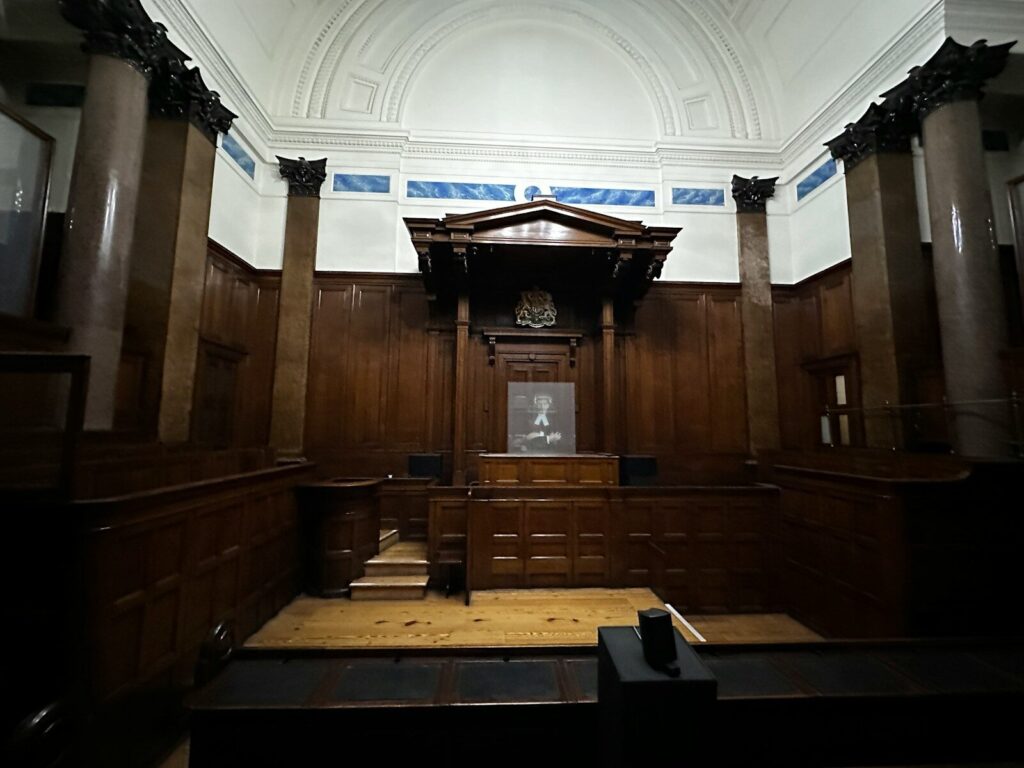





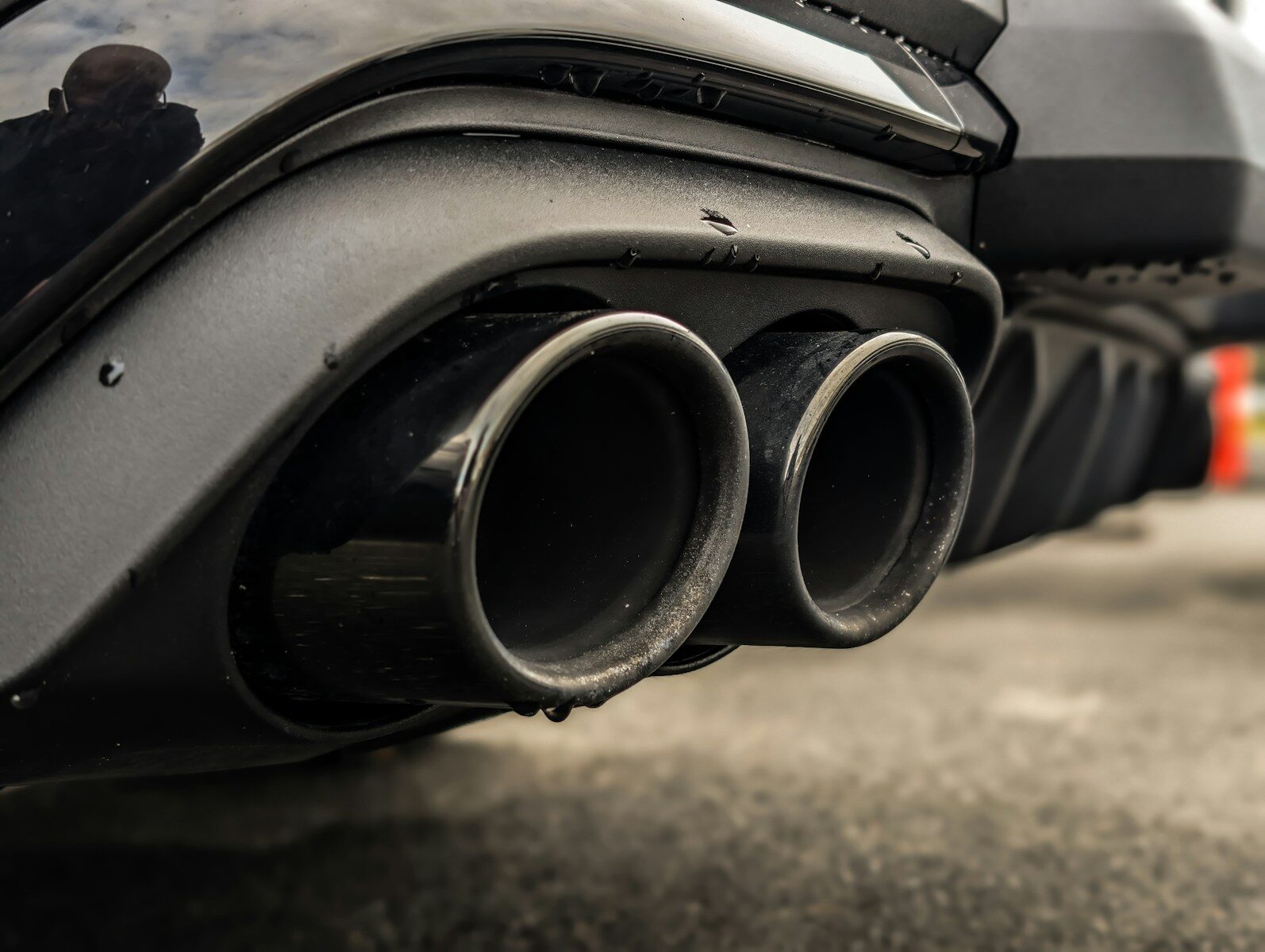
Lawyers representing around 1.6 million motorists involved in the Dieselgate litigation are to ask the High Court for permission to appeal a judgment on whether carmakers used devices to manipulate vehicle emissions tests.
The appeal application will be heard at the High Court on 7th and 8th October 2026, following a judgment handed down in July after a 13-week trial.
Lady Justice Cockerill found that three of 20 vehicles selected as representative examples had breached emissions regulations. The vehicles – one Mercedes and two Peugeot/Citroen models – were found to contain so-called Prohibited Defeat Devices (PDDs).
Such devices are designed to alter a vehicle’s emissions performance when it detects testing conditions, potentially allowing it to produce lower emissions during an official test than during ordinary road use.
However, the court found that the other 17 vehicles examined did not contain devices falling within its legal definition of a PDD. These included models manufactured by Mercedes, Peugeot/Citroen, Ford, Renault and Nissan.
The claimants’ legal team is challenging the interpretation of the regulations used to reach those conclusions.
One central issue is the definition of a prohibited defeat device under Article 3(10) of the Emissions Regulation 2007. The claimants argue that the judgment adopted an excessively narrow interpretation by effectively requiring a particular form of technology capable of recognising an emissions test.
They say this approach places too much emphasis on technology similar to the systems previously found in Volkswagen vehicles involved in emissions testing litigation before the High Court in 2020.
The lawyers are also expected to argue that the judgment conflicts with several decisions of the Grand Chamber of the Court of Justice of the European Union (CJEU).
The case has wider implications because the interpretation adopted by the English court differs from the approach taken in European Union law. The claimants argue that this has created a situation in which some defeat devices that would be unlawful under EU rules could currently be permitted in England and Wales.
Another ground of appeal concerns the meaning of “normal driving conditions”. The claimants argue that the circumstances covered by this term may have been interpreted too narrowly.
Lady Justice Cockerill also considered alternative interpretations of the rules in her judgment. These were described as contingent findings, meaning they would become relevant if her primary interpretation of Article 3(10) were overturned.
According to the claimants, those alternative findings indicate that a majority of the 20 representative vehicles could be found to contain unlawful defeat devices if the appeal court adopts a different interpretation of the regulations.
The October hearing will determine whether the claimants are given permission to take the case to the Court of Appeal.
Leigh Day’s senior partner Martyn Day said: ‘Our appeal will argue that the judge applied too narrow a definition of what constitutes a Prohibited Defeat Device and that some of the technical evidence around this issue should be looked at again.
‘Despite the manufacturers’ denials, the judge found that Mercedes and Peugeot/Citroen did install unlawful defeat devices in some of their vehicles. It is our clients’ belief that the other vehicles examined also contained prohibited defeat devices in their cars.
‘In her ruling, the judge has contradicted established EU law on what a defeat device is. We will be urging her to allow this appeal to the Court of Appeal to go ahead and avoid England and Wales becoming the only places in Europe that allow manufacturers to build and sell cars containing these types of devices.’
Pogust Goodhead’s lead partner for the Pan-Nox case Anna Varga said: ‘We have carefully considered the July judgment. Our clients consider several of the findings should be appealed, including the overly narrow interpretation of what constitutes a prohibited defeat device. It creates a divergence with much of Europe with potentially serious implications both for emissions levels and motorists in England and Wales.
‘The Court itself recognised the significance of this issue: if its interpretation is ultimately found to be wrong, the majority of the sample vehicles would contain prohibited defeat devices in breach of the Emissions Regulation based on the Court’s own contingent findings. That is not a minor point of law. It goes to the heart of these claims and deserves to be tested.
‘There are some 1.6 million motorists in this litigation and our responsibility to them is unchanged. This litigation is about accountability, and we will continue to pursue their claims with determination and rigour. Seeking permission to appeal is the necessary next step.’
Photo: Obi
Leave a Reply