

















A new analysis of the Department for Transport’s ‘Restricting the generation of surplus funds from traffic contraventions’ Call for Evidence reveals contrasting views between local authorities, motorists and organisations on the fairness of traffic enforcement and the use of penalty revenues.
Published by the National Centre for Social Research, the report summarises nearly 4,800 responses gathered between March and May 2024. While the DfT sought to explore whether local authorities’ ability to generate surplus funds creates an incentive for excessive enforcement, the findings indicate that most councils and a majority of the public oppose restricting this practice.
The report highlights that for their most recent accounts, 25 of the 35 local authorities that provided data reported a surplus from civil traffic enforcement, with a median surplus of £0.6 million. Parking enforcement accounted for a median surplus of £0.2 million, while moving traffic enforcement – a newer power for many councils – showed a significantly higher median surplus of £1.4 million.
Local authorities emphasised that surplus funds are ringfenced under Section 55 of the Road Traffic Regulation Act 1984 and are reinvested into essential services. These include road and highway maintenance, public transport initiatives, environmental improvements and the implementation of transport strategies.
However, not all local authorities are benefiting. When asked whether they expected a surplus or deficit in their medium-term financial strategy, eight of the 55 respondents said they expect a deficit, while 23 expected enforcement activities to be cost neutral.
Of the LAs that reported a deficit, many cited escalating enforcement costs as a key factor. Inflationary pressures, rising staff wages, and increased expenses for technology such as CCTV and digital payment systems have significantly impacted budgets. One respondent noted that while service provision costs have surged in recent years, income from PCNs has not kept pace.
One LA commented: ‘The last two years in particular have seen increasing civil parking enforcement (CPE) service provision costs which needed to be met – for example District/Borough Council staff pay awards and the increased costs associated with digital processing payments. The reality is that PCN income does not increase in line with these costs.’
The issue of fairness dominated the responses. While the majority of LA respondents (48 out of 53) disagreed that restricting their ability to generate surplus would make enforcement fairer, a significant minority of organisations and individuals held the opposite view.
Councils argued that enforcement is conducted transparently and proportionately, focusing on road safety and traffic flow rather than income. They noted that statutory guidance requires them to use surplus for specific transport-related projects.
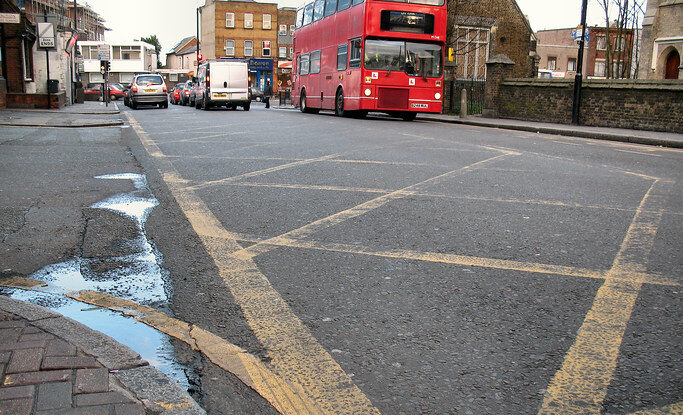
However, approximately one-third of organisation respondents and 30% of individual respondents disagreed. These groups voiced a common suspicion that enforcement is often motivated by revenue generation rather than safety. Critics pointed to inconsistent practices across authorities, poor signage, and the design of yellow box junctions, which they argued can unfairly entrap drivers.
Among individual respondents, over half agreed that current enforcement is fair, citing the need to deter dangerous behavior and improve safety. However, around a third felt the system was unfair. Their concerns centered on poor infrastructure, such as faded road markings, and the belief that minor infringements are penalized too harshly.
When asked about the potential consequences of forcing surpluses to be repaid to His Majesty’s Treasury, LAs warned of severe impacts. They stated that such a move would force them to scale back on road safety schemes, highway maintenance and public transport subsidies, ultimately shifting costs onto taxpayers or reducing service delivery.
The full report can be read here.
Photo: Alan Stanton
Leave a Reply