

















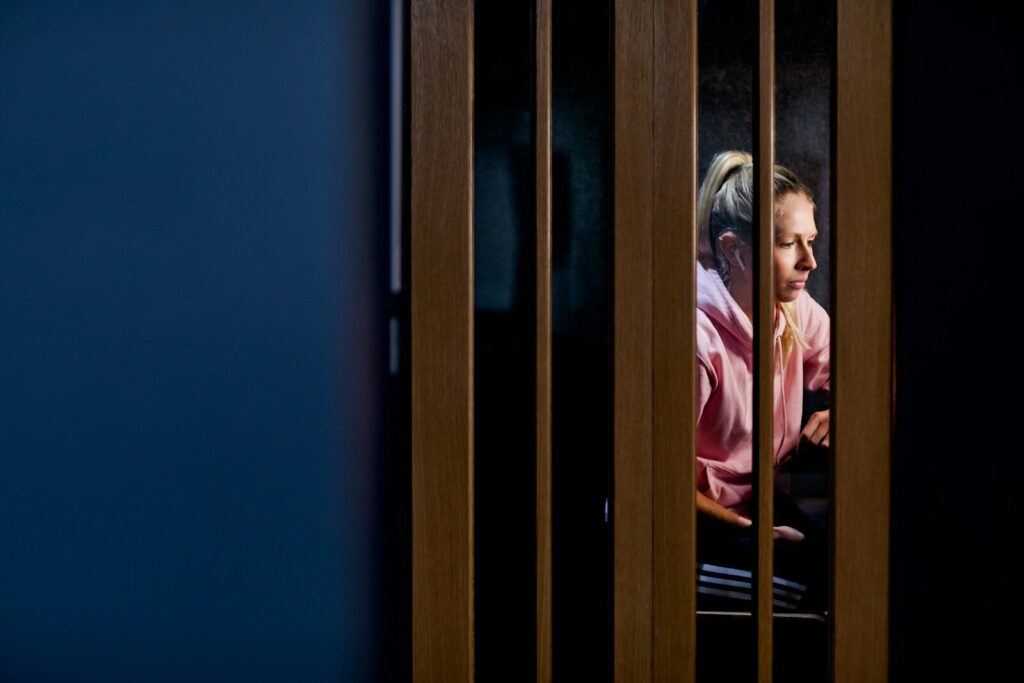
A requirement for a remote worker to keep her camera switched on during online meetings amounted to disability discrimination, an employment tribunal has found, after ruling that her employer failed to make a reasonable adjustment for her anxiety.
The case, brought by Laura Tait against travel company Holiday Extras, was heard at Croydon Employment Tribunal and examined how workplace expectations around video calls can affect employees with disabilities.
Ms Tait worked as a travel consultant for Holiday Extras, carrying out customer service duties remotely. Her role involved communicating with customers by phone, email and online chat, as well as attending virtual meetings and training sessions.
The tribunal heard that Ms Tait experienced significant anxiety linked to appearing on camera during online meetings. During a remote training session in August 2023, she requested permission to keep her camera switched off because she was struggling with the requirement to be visible on screen.
She was asked to initially keep her camera on and see how she managed, but the tribunal heard that she became unable to continue with the session and left.
Employment Judge Liz Ord found that the company’s approach placed Ms Tait at a substantial disadvantage compared with colleagues who did not have the same difficulties. The tribunal concluded that allowing her to keep her camera off would have been a reasonable adjustment under the Equality Act 2010.
The ruling highlights the need for employers to consider individual circumstances when introducing workplace policies, particularly as remote and hybrid working practices have become more common.
The decision does not mean employers cannot ask staff to use cameras during virtual meetings. However, it reinforces that organisations should consider whether a blanket requirement could disadvantage employees with disabilities and whether alternative arrangements can be made.
The case also raises wider questions about how employers manage inclusion in digital workplaces. Practices that may appear minor or routine for some employees, such as appearing on screen during a meeting, can create significant barriers for others.
Legal experts have suggested the ruling serves as a reminder that workplace adjustments are not limited to physical office environments. Employers have the same responsibilities to consider accessibility and inclusion when managing remote teams and using digital communication tools.
The amount of compensation awarded to Ms Tait will be determined at a separate remedy hearing.
Leave a Reply